Can Hedgehogs Eat Hay: Essential Facts Every Owner Must Know
Are you wondering if hay is a safe or healthy snack for your hedgehog? It’s a common question among hedgehog owners who want to provide the best diet possible.
While hay might seem like a natural and harmless food, your hedgehog’s body isn’t designed to digest it properly. If you want to keep your little friend happy and healthy, understanding what they can and cannot eat is crucial. Keep reading to discover why hay isn’t suitable for hedgehogs, what their ideal diet looks like, and how you can avoid common feeding mistakes that might harm your pet.
Your hedgehog’s health depends on the right food choices—you won’t want to miss this!
Hedgehog Diet Basics
Hedgehogs need a balanced diet to stay healthy and active. Their natural food mainly comes from insects and small animals. Pet hedgehogs should have a diet that matches their natural eating habits closely. Understanding what to feed helps prevent health problems and keeps them happy.
Hedgehogs are not herbivores. They cannot digest hay or grass well. Their digestive system is designed for animal proteins and some fruits and vegetables. Providing the right foods is key to their well-being.
Insects As Primary Food
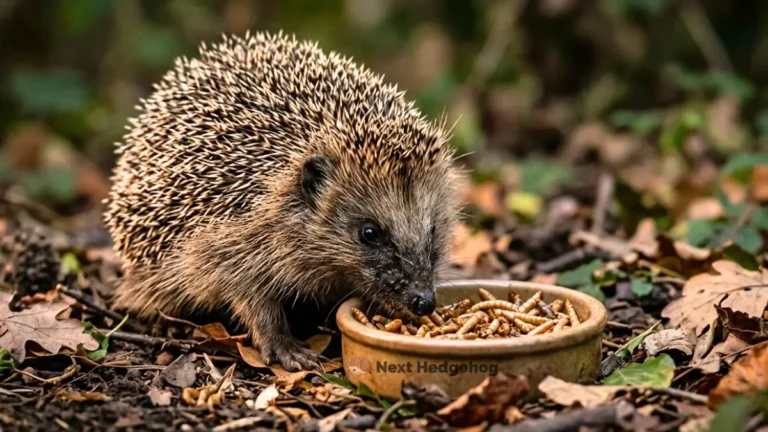
Insects form the core of a hedgehog’s diet. Mealworms, crickets, and earthworms are common choices. These insects provide essential protein and nutrients. Live or dried insects both work, but live insects encourage natural hunting behavior. Insects help maintain a healthy digestive system and strong muscles.
Commercial Hedgehog Foods
Special commercial foods made for hedgehogs are available. These foods usually come as pellets or kibble. They are high in protein and low in fat. Commercial diets offer balanced nutrition and convenience. Always choose high-quality products designed for hedgehogs.
Safe Meats And Treats
Cooked, unseasoned chicken or turkey can be given in small amounts. Lean meats provide extra protein without harmful fats or spices. Avoid processed or fatty meats. Treats should be occasional and healthy, such as mealworms or small pieces of cooked meat.
Fruits And Vegetables
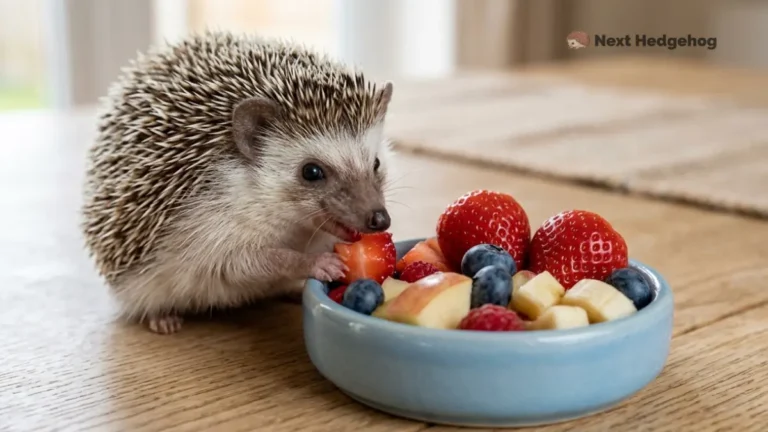
Fruits and vegetables can be part of a hedgehog’s diet but only in moderation. Apples, berries, and carrots are safe options. Avoid citrus fruits and starchy vegetables. These foods offer vitamins and fiber but should not replace protein sources. Always wash fruits and vegetables well before feeding.
Why Hedgehogs Don’t Eat Hay
Hedgehogs do not eat hay because their bodies are not designed for it. Their diet focuses on insects and small animals, not plants or grasses. Hay lacks the nutrients they need and is hard for them to digest. While hedgehogs may seem curious about hay, they rarely eat it.
Digestive Limitations
Hedgehogs have simple digestive systems. They cannot break down tough plant fibers like hay. Their stomachs are made for animal proteins and fats. Eating hay can cause stomach problems and blockages. This makes hay unsuitable for their diet.
Lack Of Nutritional Value
Hay provides little to no nutrition for hedgehogs. It is mostly made of coarse fibers and dry grass. Hedgehogs need protein from insects and meats. Hay does not supply the vitamins or minerals they require. Feeding hay can lead to malnutrition and poor health.
Behavioral Curiosity Vs Actual Consumption
Hedgehogs might explore hay with their mouths out of curiosity. They use their noses and tongues to investigate new things. Chewing hay does not mean they want to eat it. They usually spit it out quickly. Their interest is more about texture than food.
Hay And Bedding Safety
Choosing the right bedding for your hedgehog is crucial for its health. Hay is sometimes mistaken for a safe bedding option. This section explains the risks of using hay and safer alternatives. Understanding these factors helps keep your hedgehog comfortable and healthy.
Risks Of Mold And Moisture
Hay can trap moisture easily. This moisture promotes mold growth. Moldy hay can be harmful if your hedgehog comes in contact with it. Mold spores may also spread in the cage environment. This increases the risk of illness for your pet.
Respiratory Health Concerns
Hay dust can irritate a hedgehog’s delicate respiratory system. Dust particles may cause sneezing and breathing problems. Prolonged exposure can lead to serious respiratory infections. Avoid bedding that produces excessive dust to protect your hedgehog’s lungs.
Safe Bedding Alternatives
Paper-based bedding is soft and absorbent. It controls odors well and reduces dust. Aspen shavings are another safe choice but avoid cedar or pine shavings. Fleece liners offer a washable and reusable option. These alternatives provide a clean and safe habitat for your hedgehog.

Credit: www.sciencephoto.com
Feeding Wild Vs Pet Hedgehogs
Feeding wild and pet hedgehogs requires understanding their different needs. Wild hedgehogs find food in nature. Pet hedgehogs rely on humans for their diet. Their feeding habits vary greatly. This affects what they can eat safely.
Hedgehogs do not naturally eat hay. Their digestive systems are designed for insects and small animals. Knowing their natural diet helps choose the right food for pets. It also guides care for wild ones.
Natural Diet Of Wild Hedgehogs
Wild hedgehogs eat mostly insects and small invertebrates. Earthworms, beetles, caterpillars, and slugs are common food. They also consume some fruits and fungi. Wild hedgehogs rarely eat plants or grass. Their diet provides high protein and low fat.
Hay is not part of their natural diet. They may accidentally nibble on leaves or grass. Their bodies cannot digest fibrous plant material well. Eating hay can lead to digestive problems in wild hedgehogs.
Diet Adaptations For Pet Hedgehogs
Pet hedgehogs need a diet similar to wild ones. They thrive on insect-based foods like mealworms and crickets. Special commercial hedgehog food provides balanced nutrition. Small amounts of cooked lean meat can be added.
Hay is not suitable for pet hedgehogs either. It lacks nutrients and may cause stomach upset. Use hay only as bedding, not food. Proper nutrition helps pet hedgehogs stay healthy and active.
Regional Considerations
Hedgehog diets vary by region and availability. Wild hedgehogs eat insects common to their habitat. Pet owners should mimic local diets when possible. This supports natural digestion and health.
In some areas, wild hedgehogs eat more fruit or fungi. Pet hedgehogs can have small fruit treats occasionally. Avoid sugary or processed foods. Always provide fresh water and clean bedding.
Common Feeding Mistakes To Avoid
Feeding a hedgehog requires care and attention to avoid common mistakes. These errors can lead to health problems and discomfort for your pet. Understanding what to avoid is as important as knowing what to feed them. This guide highlights key feeding mistakes to help you provide the best care.
Foods Toxic To Hedgehogs
Certain foods are harmful or deadly to hedgehogs. Avoid chocolate, grapes, raisins, and onions. Dairy products can cause digestive upset. Avoid raw meats and eggs. These items can cause serious illness or death. Always check if a food is safe before feeding.
Overfeeding And Obesity Risks
Feeding too much can lead to obesity. Overweight hedgehogs face health risks like heart disease and joint problems. Measure portions carefully and avoid excessive treats. Maintain a balanced diet with proper protein and fat levels. Regular exercise helps keep your hedgehog fit.
Improper Bedding Use
Hay is not suitable as food or bedding. It can cause digestive issues if ingested. Hay often carries mold and dust that harm respiratory health. Use safe bedding like paper-based or fleece materials. Keep bedding clean and dry to ensure a healthy environment.
:strip_icc()/GettyImages-902464552-5c89112f4cedfd000190b25f.jpg "Can Hedgehogs Eat Hay: Essential Facts Every Owner Must Know")
Credit: www.thesprucepets.com
Setting Up A Hedgehog Habitat
Setting up a hedgehog habitat requires careful planning. A comfortable and safe environment helps your pet thrive. Focus on bedding, feeding space, and cleanliness. These elements keep your hedgehog healthy and happy. Below are key points to consider for each area.
Choosing The Right Bedding
Select bedding that is soft and safe for hedgehogs. Avoid hay for bedding, as it can cause allergies and respiratory issues. Use paper-based or fleece bedding instead. These options absorb moisture well and prevent mold growth. Change bedding regularly to keep the habitat fresh. Proper bedding supports your hedgehog’s comfort and health.
Creating A Safe Feeding Area
Designate a clean spot for feeding to reduce mess and contamination. Use shallow bowls to make eating easier. Keep food away from bedding to prevent spoilage. Remove uneaten food daily to avoid attracting pests. A tidy feeding area encourages good eating habits and limits health risks.
Maintaining Cleanliness
Clean the habitat at least once a week to prevent bacteria buildup. Spot clean daily by removing waste and soiled bedding. Use mild, pet-safe cleaners to avoid harmful chemicals. Proper hygiene reduces the chance of illness and keeps your hedgehog active. Consistent cleaning helps maintain a safe living space.
Tips For Treats And Supplements
Providing treats and supplements can enhance your hedgehog’s diet and overall health. Choose wisely to keep your pet safe and happy. This section covers healthy treat options, the right time to use supplements, and how to avoid harmful additives.
Healthy Treat Options
Offer small amounts of live or dried insects like mealworms and crickets. These are natural and loved by hedgehogs. Fresh fruits such as apples and berries can be given occasionally. Avoid sugary or sticky treats that can harm their teeth. Keep treats limited to prevent weight gain and digestive issues.
When To Use Supplements
Supplements may be needed if your hedgehog’s diet lacks variety. Use calcium or vitamin powders only under veterinary advice. Overuse of supplements can cause health problems. Monitor your pet’s behavior and health to decide if supplements are necessary. Natural, balanced food is usually enough for most hedgehogs.
Avoiding Harmful Additives
Stay away from treats with artificial colors, flavors, or preservatives. These can irritate your hedgehog’s stomach and cause allergies. Check ingredient lists carefully before buying any product. Homemade treats with fresh ingredients are safer and healthier. Clean, fresh water should always be available alongside treats and supplements.
Consulting A Veterinarian
Consulting a veterinarian is essential for your hedgehog’s health. They provide expert advice tailored to your pet’s needs. Regular checkups help catch health problems early. Vets guide you on proper diet and care. Their knowledge ensures your hedgehog stays happy and healthy.
Regular Health Checks
Schedule visits to monitor your hedgehog’s overall health. Vets check teeth, skin, and weight during exams. They spot signs of illness before symptoms worsen. Regular checks improve your pet’s lifespan and quality of life. Keep a record of vet visits for reference.
Dietary Adjustments
Veterinarians advise on the best diet for your hedgehog. They explain which foods are safe and which are harmful. Hay is not suitable for hedgehogs as food. Vets suggest insect-based diets with balanced nutrients. They help adjust diet if digestive issues occur.
Signs Of Digestive Issues
Vets teach you to recognize digestive problems in hedgehogs. Watch for diarrhea, bloating, or loss of appetite. These symptoms require prompt veterinary attention. Early detection prevents severe health complications. Follow vet instructions for treatment and care.
Credit: getawaycomedy.com
Frequently Asked Questions
What Should You Never Feed A Hedgehog?
Never feed hedgehogs dairy, chocolate, citrus, raw meat, onions, garlic, or processed human foods. Avoid hay; it causes digestive issues and mold risks.
What States Are Illegal To Own Hedgehogs?
Owning hedgehogs is illegal in California, Georgia, Pennsylvania, and Washington D. C. Some cities also ban them. Always check local laws first.
What’s A Hedgehog’s Favorite Food?
A hedgehog’s favorite food is insects like mealworms, crickets, and earthworms. They also enjoy small amounts of lean meat.
Can Hedgehogs Eat Hay Safely?
No, hedgehogs cannot safely eat hay. Their digestive systems do not process plant fibers well. Hay offers no nutritional value and may cause digestive upset or respiratory issues if moldy.
Conclusion
Hedgehogs do not eat hay as part of their diet. Their bodies need protein from insects and meat. Hay offers no nutrients and can cause health problems. It may also carry mold that harms their lungs. Always provide foods suited for hedgehogs, like mealworms or specially made kibble.
Keeping their diet natural helps them stay healthy and happy. Remember, feeding the right foods supports their well-being every day.