Can Hedgehogs Eat Bananas? Think Twice Before Feeding
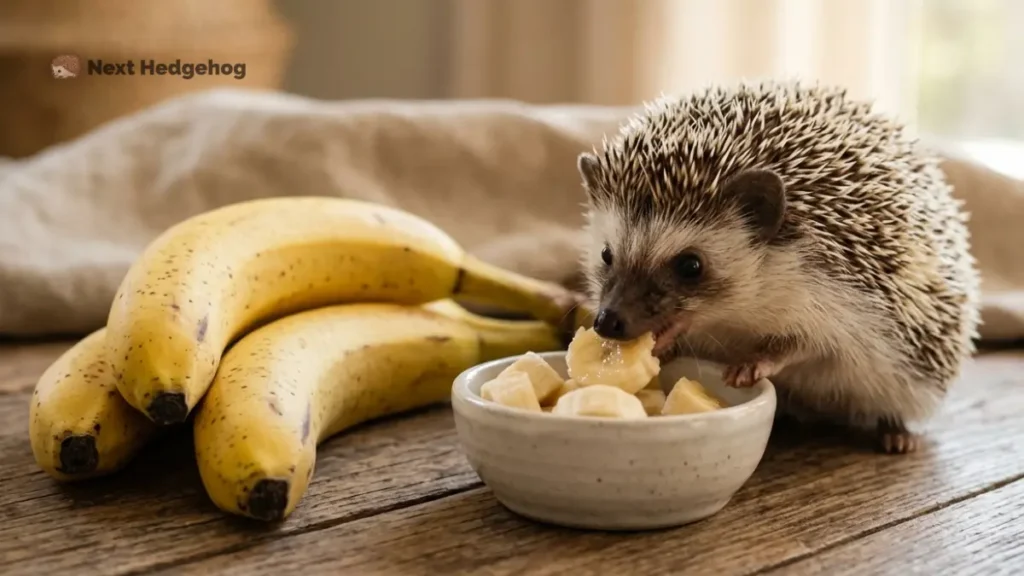
Yes, hedgehogs can eat bananas—but only in small amounts and as an occasional treat.
If you’ve ever watched your hedgehog curiously sniff a piece of fruit, you might wonder whether something as soft and sweet as a banana is a safe choice. Bananas are packed with natural sugars, vitamins, and fiber, which can seem like a healthy snack at first glance.
However, hedgehogs have very specific dietary needs, and not every “healthy” human food fits well into their tiny digestive systems.
In this guide, we’ll break down exactly whether bananas are good or bad for hedgehogs, how much is safe, potential risks to watch out for, and the best way to serve them.
What is Banana?
A banana is a soft, sweet fruit that grows on large herbaceous plants belonging to the genus Musa. It is one of the most widely consumed fruits in the world, known for its creamy texture, natural sweetness, and easy-to-digest flesh.
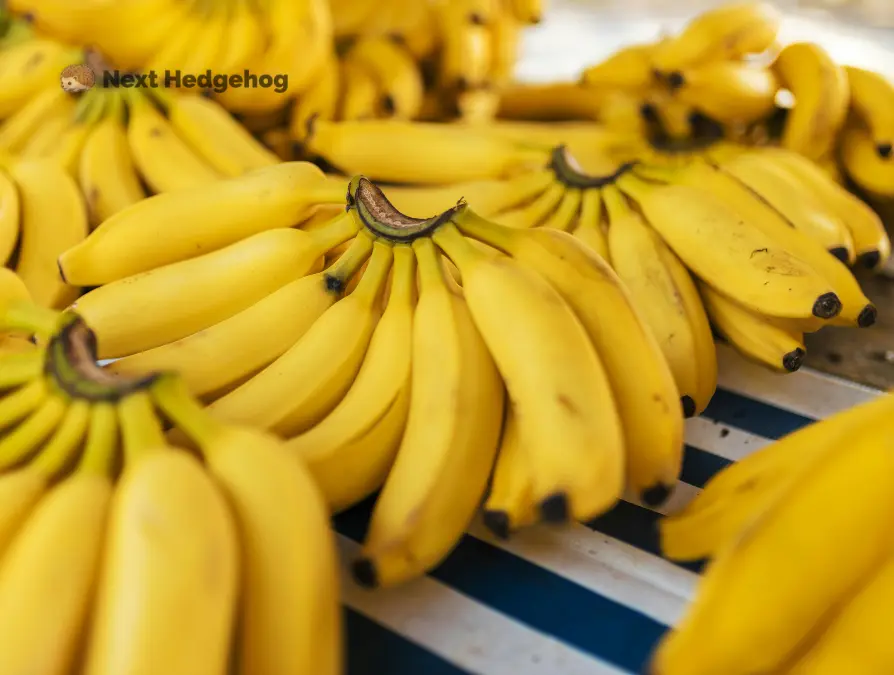
Bananas are typically yellow when ripe, though they start green and may turn brown as they overripen. They are rich in natural sugars, carbohydrates, potassium, vitamin B6, and dietary fiber—making them a quick energy source for humans.
From a nutritional standpoint, bananas are considered a healthy fruit for people. However, when it comes to hedgehogs, their high sugar content means they should only be offered in very small amounts and not as a regular part of the diet.
Different Types of Banana
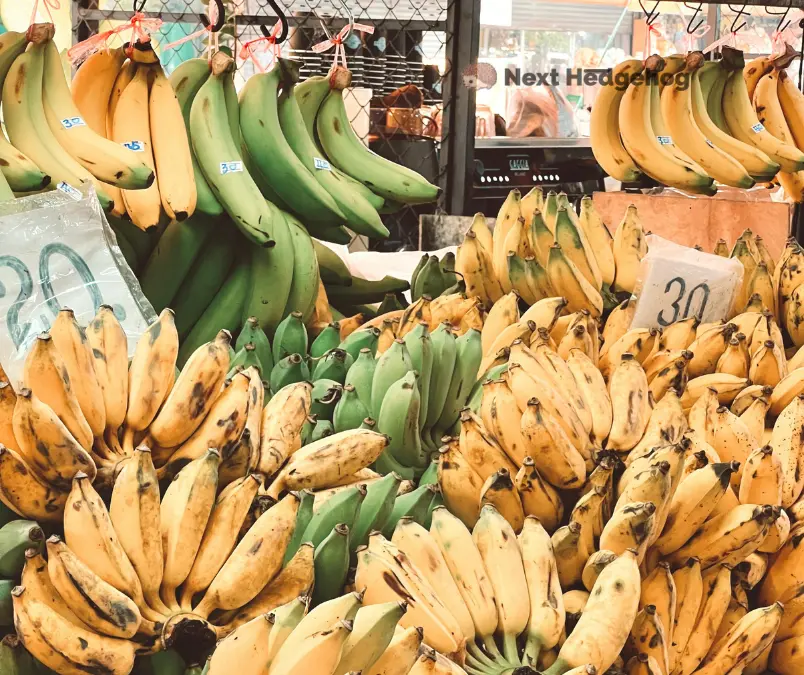
Bananas come in several varieties, and while they may look similar at first glance, their taste, texture, and sugar content can vary quite a bit. Understanding these types is helpful—especially when deciding what (and what not) to share with your hedgehog.
1. Cavendish Bananas
This is the most common type found in supermarkets worldwide. It has a soft, creamy texture and a sweet flavor when ripe. Because of its high sugar content, it’s the type most people think of—but for hedgehogs, it should only be given in tiny amounts.
2. Plantains
Plantains are larger, firmer, and less sweet than regular bananas. They are usually cooked before eating rather than consumed raw. Since hedgehogs shouldn’t eat cooked or processed foods like fried plantains, this variety is not suitable for them.
3. Red Bananas
Red bananas have a reddish-purple skin and a slightly sweeter, berry-like flavor compared to Cavendish bananas. They are softer and richer in certain nutrients, but they still contain a high level of natural sugars—so the same moderation rule applies.
4. Baby Bananas (Lady Finger Bananas)
These are smaller, thinner, and often sweeter than standard bananas. Their size might make them seem like a better option, but they are still sugary, meaning only a very small portion is safe for hedgehogs.
5. Blue Java Bananas
Often called “ice cream bananas,” this variety has a unique vanilla-like flavor and a creamy texture. While interesting for humans, they don’t offer any special benefit for hedgehogs and should be treated the same as other sweet banana types.
6. Burro Bananas
These are shorter and chunkier with a tangy, lemon-like flavor when underripe and sweeter when fully ripe. Like other bananas, they are safe only in moderation due to their sugar content.
No matter the type, all bananas share one key trait: they are high in natural sugars. For hedgehogs, this means bananas should always be an occasional treat rather than a regular part of their diet.
Is Banana Safe for Hedgehogs?
Yes, bananas are generally safe for hedgehogs—but only in very small amounts and on an occasional basis.
Bananas are not toxic to hedgehogs, which means a tiny bite won’t harm them. However, “safe” doesn’t always mean “ideal.” Hedgehogs are insectivores, and their digestive systems are designed for high-protein, low-sugar foods.
Bananas, on the other hand, are naturally high in sugar and carbohydrates, which can quickly lead to weight gain and digestive issues if fed too often.
Another thing to keep in mind is texture. The soft, sticky nature of bananas can sometimes cling to a hedgehog’s teeth or mouth, potentially causing discomfort or minor dental concerns if overfed.
So, while you can offer banana as a treat, it should never replace their main diet. A small, mashed piece once in a while is more than enough to let your hedgehog enjoy the taste without risking their health.
Nutritional Value of Banana
Bananas may seem like a nutritious and harmless fruit—and for humans, they certainly are. But when it comes to hedgehogs, it’s important to look beyond the surface. Understanding the exact nutritional breakdown helps you see why bananas should only be an occasional treat rather than a regular part of their diet.
Nutritional value of Banana (per 100g):
| Nutrient | Amount | Why It Matters for Hedgehogs |
|---|---|---|
| Calories | 89 kcal | Moderate energy, but can contribute to weight gain if overfed |
| Carbohydrates | 23 g | High for hedgehogs; not ideal for regular consumption |
| Sugars | 12 g | Too much sugar can lead to obesity and health issues |
| Dietary Fiber | 2.6 g | Helps digestion in small amounts |
| Protein | 1.1 g | Very low—hedgehogs need more protein in their diet |
| Fat | 0.3 g | Minimal, but hedgehogs still need healthy fat from other sources |
| Potassium | 358 mg | Supports muscle and nerve function |
| Vitamin B6 | 0.4 mg | Aids metabolism and overall health |
| Vitamin C | 8.7 mg | Supports immune function |
| Magnesium | 27 mg | Helps with bone and muscle health |
Benefits of Feeding Banana to Hedgehogs
While bananas are not a necessary part of a hedgehog’s diet, they can offer a few small benefits when given occasionally and in the right portion. The key is to treat bananas as a supplement—not a staple.
- Quick Energy Boost: Bananas are rich in natural carbohydrates, which can provide a fast source of energy. This can be useful for active hedgehogs, but it should only be offered sparingly to avoid excess calorie intake.
- Supports Digestive Health (in small amounts): The fiber in bananas may help support gentle digestion and prevent minor constipation. However, too much can have the opposite effect, so portion control is important.
- Provides Essential Vitamins: Bananas contain vitamins like B6 and C, which contribute to overall health, including metabolism and immune support—even though hedgehogs typically get what they need from a balanced primary diet.
- Adds Variety to Diet: Offering a tiny piece of banana occasionally can add enrichment and variety, which may stimulate your hedgehog’s curiosity and appetite.
- Soft Texture for Easy Eating: The naturally soft texture makes bananas easy to chew and swallow, especially for older hedgehogs or those with minor dental sensitivity.
- Hydration Support: Bananas contain a decent amount of water, which can contribute slightly to hydration—though fresh water should always be the main source.
Risks Factors of Overfeeding Banana
Feeding a small piece of banana occasionally is fine—but overfeeding it can quickly create health problems for your hedgehog. Because their bodies aren’t designed to handle sugary fruits regularly, too much banana can do more harm than good.
- Weight Gain and Obesity: Bananas are high in natural sugars and calories. Regular or large portions can lead to rapid weight gain, which is a common health issue in pet hedgehogs.
- Digestive Upset: Too much banana can cause diarrhea or, in some cases, constipation due to its fiber and sugar content. Hedgehogs have sensitive digestive systems, so sudden changes can upset their gut.
- Blood Sugar Imbalance: Excess sugar intake may lead to spikes in blood sugar levels, increasing the risk of long-term metabolic issues.
- Reduced Interest in Proper Diet: Hedgehogs may start preferring sweet foods like banana over their balanced, protein-rich meals, leading to nutritional imbalances.
- Dental Problems: The soft, sticky texture of banana can cling to teeth and gums, potentially contributing to plaque buildup or minor dental issues over time.
- Nutritional Imbalance: Filling up on banana means less room for essential foods like insects or high-protein hedgehog feed, which are crucial for their health.
Hedgehogs Banana Feeding Guide
Feeding banana to your hedgehog isn’t about whether you can—it’s about how to do it safely. Because bananas are high in sugar and not part of a hedgehog’s natural insect-based diet, the right approach is essential.
Following a proper feeding guide ensures your pet enjoys a small treat without compromising its health.
How Much Banana to Feed
As an expert recommendation, banana should be limited to a very small portion—about a pea-sized amount or a thin slice at a time. This is enough for your hedgehog to taste and enjoy without overloading its system with sugar. More than this can quickly become excessive.
How Often Can You Offer Banana
Banana should only be given once or twice a week at most. It’s not a daily food. Think of it as an occasional reward rather than part of a routine diet.
Best Way to Prepare Banana
Always serve banana fresh, ripe, and plain. Remove the peel completely and mash or cut it into tiny, manageable pieces. Avoid feeding unripe (green) bananas, as they are harder to digest.
Raw vs Processed Banana
Stick to raw banana only. Never offer dried banana chips, fried plantains, or banana-based processed foods. These often contain added sugars, oils, or preservatives that can harm your hedgehog.
When to Avoid Feeding Banana
Do not feed banana if your hedgehog is overweight, diabetic, or experiencing digestive issues. In these cases, sugary fruits can worsen the condition and should be avoided altogether.
Monitor for Reactions
Whenever you introduce banana for the first time, observe your hedgehog for any signs of digestive upset, such as loose stool or reduced appetite. If any negative reaction appears, stop feeding it immediately.
Feeding Frequency Guidelines: By Age & Amount
Feeding banana to hedgehogs isn’t just about portion size—it also depends on their age and overall health. Younger hedgehogs, adults, and seniors all have different nutritional needs and sensitivities, so adjusting frequency and amount is important to keep them safe.
| Hedgehog Age Group | Recommended Amount | Feeding Frequency | Notes |
|---|---|---|---|
| Baby (under 3 months) | Not recommended | Avoid completely | Their digestive system is still developing; stick to protein-based diet |
| Juvenile (3–6 months) | Tiny lick or smear only | Rare (once every 2–3 weeks) | Only for introduction purposes, very minimal exposure |
| Adult (6 months–3 years) | Pea-sized piece | 1–2 times per week maximum | Safe in moderation; must not replace main diet |
| Senior (3+ years) | Very small piece | Once a week or less | May help as a soft treat, but monitor for weight and digestion issues |
Raw vs Ripe Banana
When it comes to feeding bananas to hedgehogs, the ripeness of the fruit matters more than many owners realize. The sugar content, texture, and digestibility all change as a banana ripens, which directly affects how safe it is for your pet.
Understanding the difference between raw (unripe) and ripe banana helps you make a smarter, safer feeding choice.
Raw (Unripe) Banana
Unripe bananas are green, firm, and contain higher levels of resistant starch. This makes them harder to digest for hedgehogs. The texture is also tough and not naturally appealing to them.
Because of this, raw bananas are not recommended for hedgehogs, as they can lead to digestive discomfort and are less palatable.
Ripe Banana
Ripe bananas are yellow, soft, and sweet. As the fruit ripens, the starch converts into natural sugars, making it easier to chew and digest. However, this also increases the sugar content significantly.
While ripe bananas are more suitable than unripe ones, they should still be given only in very small, occasional portions due to the risk of weight gain and blood sugar spikes.
Final Decision
For hedgehogs, ripe banana is the only acceptable option, but even then, it should be treated strictly as a rare snack. Unripe banana should be avoided entirely. The safest approach is to prioritize protein-based foods and use ripe banana only as an occasional enrichment treat.
Alternative Items You Can Offer
If you want to add variety to your hedgehog’s diet without relying too much on banana, there are several safer fruit and snack alternatives that can offer similar taste enrichment while being easier on their digestive system.
These options should still be given in moderation, but they are generally better suited for hedgehogs.
- Apple (seedless, small pieces): A mild and crunchy fruit with lower sugar compared to banana. Always remove seeds, as they are unsafe for hedgehogs.
- Blueberries: Small, soft, and packed with antioxidants. Their size makes them ideal for occasional treats without overfeeding risk.
- Pear (ripe and soft): Similar sweetness to banana but slightly gentler on sugar levels when given in small amounts. Peel and serve in tiny pieces.
- Watermelon (seedless): High in water content, making it a refreshing treat. It’s less sugary than banana and can help with hydration, but should still be limited.
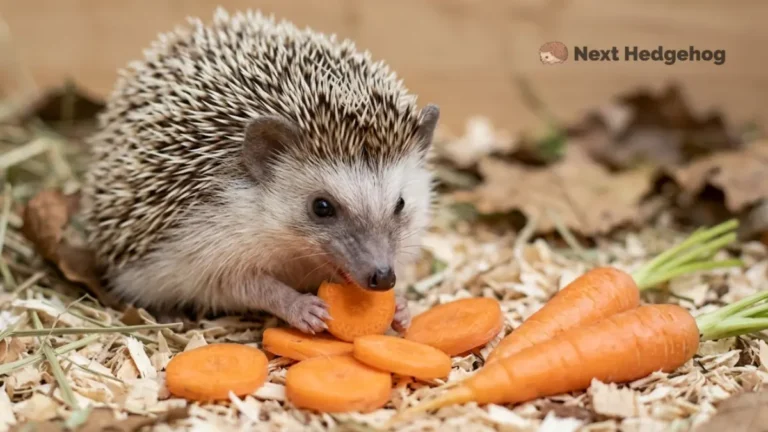
- Carrot (finely chopped or grated): A crunchy vegetable that offers fiber and natural vitamins. Carrots are lower in sugar than most fruits, making them a better occasional snack option than banana. However, they should still be given in small amounts since hedgehogs primarily need protein-based foods.