Can Hedgehogs Eat Blueberries? (Stop Before You Feed)
Yes, hedgehogs can eat blueberries in moderation—but there’s a right way to serve them.
If you’re a hedgehog owner or just curious about what these tiny insect-loving creatures can safely snack on, blueberries are one of those foods that often spark questions. They’re sweet, juicy, and packed with nutrients for humans.
But does that make them a good choice for hedgehogs too?
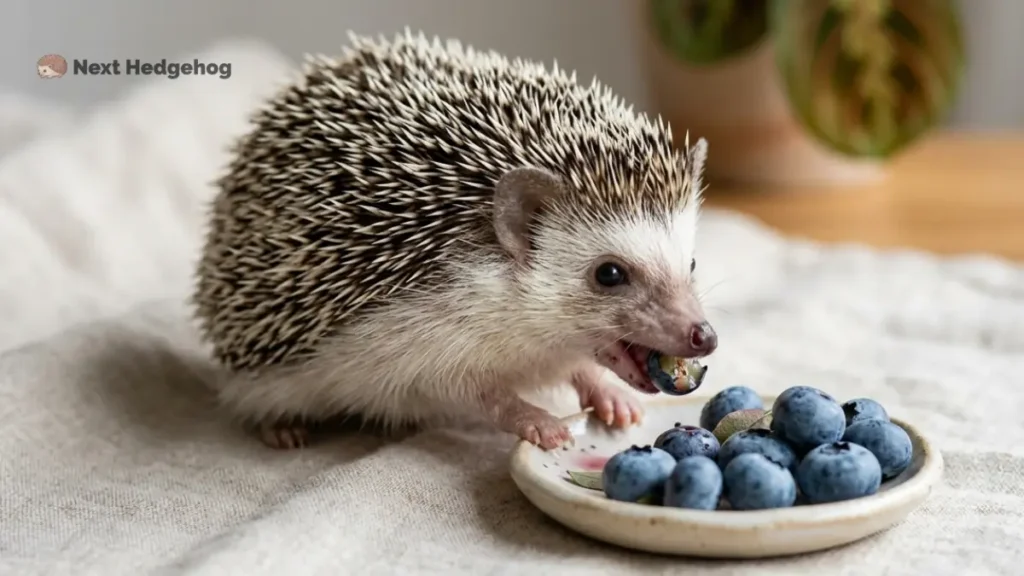
Hedgehogs have very specific dietary needs, mostly revolving around high-protein insects, so fruits like blueberries should only play a small, occasional role in their diet.
In this guide, we’ll break down everything you need to know, from nutritional benefits to potential risks, and how to feed blueberries to your hedgehog the safe way.
What is Blueberry?
Blueberry is a small, round fruit that grows on shrubs and is known for its deep blue to purple color, juicy texture, and mildly sweet taste. It belongs to the genus Vaccinium, the same plant family as cranberries and bilberries, and is widely enjoyed both fresh and in various foods like smoothies, desserts, and baked goods.
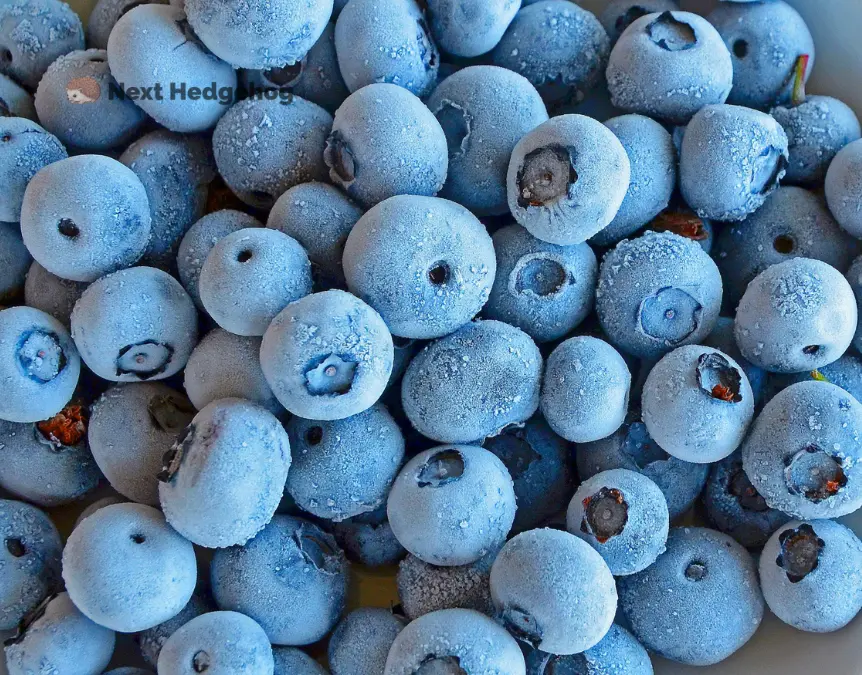
These berries are especially popular because they are rich in antioxidants, vitamins like vitamin C and K, and dietary fiber. Thanks to their soft texture and natural sweetness, blueberries are often considered a healthy snack for humans.
But when it comes to hedgehogs, their nutritional value and sugar content need to be carefully considered before feeding.
Different Types of Blueberry
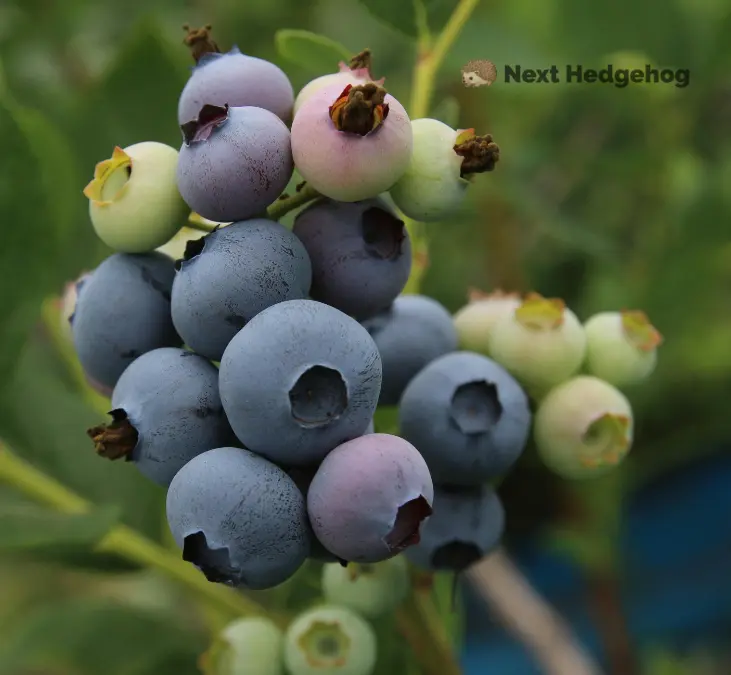
Blueberries come in several different types, each with its own size, taste, and growing conditions. While they may look similar at first glance, these varieties can vary quite a bit:
Highbush Blueberries
These are the most common type you’ll find in supermarkets. Highbush blueberries are large, juicy, and have a balanced sweet-tart flavor. They’re widely cultivated because of their high yield and consistent quality.
Lowbush Blueberries (Wild Blueberries)
Also known as wild blueberries, these are smaller in size but often more intense in flavor. They tend to be sweeter and richer in antioxidants compared to cultivated varieties, making them popular in frozen products and baked goods.
Rabbiteye Blueberries
Rabbiteye blueberries are typically grown in warmer climates. They are a bit firmer and can range from sweet to slightly tangy depending on ripeness. These berries are often used for fresh eating as well as cooking.
Half-High Blueberries
A hybrid between highbush and lowbush varieties, half-high blueberries combine cold hardiness with a moderate fruit size. They’re commonly grown in cooler regions and offer a nice balance of flavor and texture.
Southern Highbush Blueberries
These are specially developed for warmer regions and tend to ripen earlier in the season. Southern highbush blueberries are sweet, soft, and ideal for fresh consumption.
No matter the type, all blueberries share similar nutritional profiles, but when feeding hedgehogs, portion size and frequency matter more than the specific variety.
Is Blueberry Safe for Hedgehogs?
Yes, blueberries are generally safe for hedgehogs—but only in small amounts and as an occasional treat.
Blueberries are non-toxic and soft enough for hedgehogs to chew, which makes them a safer fruit option compared to harder or more acidic fruits. They also contain beneficial nutrients like antioxidants and vitamins that can support overall health.
However, hedgehogs are primarily insectivores, meaning their diet should be focused on protein-rich foods like insects and specially formulated hedgehog food.
The main concern with blueberries is their natural sugar content. Too much sugar can lead to obesity, digestive issues, or even long-term health problems in hedgehogs. That’s why blueberries should never be a daily food—just a small treat offered once in a while.
To keep things safe, always wash the blueberries thoroughly, cut them into smaller pieces, and introduce them slowly to see how your hedgehog reacts.
Nutritional Value of Blueberry
Blueberries may be tiny, but they’re packed with nutrients that can benefit overall health when offered in moderation. For hedgehogs, these nutrients can provide small boosts of vitamins and antioxidants—but remember, they should only be given as an occasional treat due to their natural sugar content.
Here’s a simple breakdown of the nutritional value of blueberries (per 100g):
| Nutrient | Amount (Approx.) | Why It Matters |
|---|---|---|
| Calories | 57 kcal | Low in calories, but still should be limited |
| Water | 84% | Helps with hydration |
| Carbohydrates | 14.5 g | Main energy source, includes natural sugars |
| Sugars | 10 g | Can be too high for frequent feeding |
| Fiber | 2.4 g | Supports digestion in small amounts |
| Protein | 0.7 g | Very low—hedgehogs need more protein from insects |
| Fat | 0.3 g | Minimal fat content |
| Vitamin C | 9.7 mg | Supports immune health |
| Vitamin K | 19.3 mcg | Important for blood clotting and bone health |
| Antioxidants | High | Helps fight cell damage |
Benefits of Feeding Blueberry to Hedgehogs
When offered occasionally and in small portions, blueberries can provide a few gentle health benefits for hedgehogs. While they should never replace a protein-rich diet, they can still add some variety and enrichment to your hedgehog’s feeding routine.
- Rich in Antioxidants: Blueberries are loaded with antioxidants that help protect cells from damage and support overall health, even in small animals like hedgehogs.
- Supports Immune Health: The presence of vitamin C can give a minor boost to the immune system, helping your hedgehog stay more resilient against minor illnesses.
- Aids Digestion (in Small Amounts): The fiber content in blueberries can support digestion when fed in moderation, helping maintain a healthy gut.
- Hydration Boost: With a high water content, blueberries can contribute slightly to your hedgehog’s hydration, especially in warmer conditions.
- Soft and Easy to Eat: Their soft texture makes blueberries easy for hedgehogs to chew, especially compared to harder fruits.
- Adds Dietary Variety & Enrichment: Offering different textures and tastes can help prevent boredom and stimulate your hedgehog’s natural curiosity during feeding time.
Risks Factors of Overfeeding Blueberry
While blueberries are safe in small amounts, feeding them too often or in large portions can lead to several health issues for hedgehogs. Because their bodies are not designed to process sugary fruits regularly, moderation is key.
- High Sugar Intake: Blueberries contain natural sugars that can quickly add up. Excess sugar may lead to weight gain and increase the risk of obesity in hedgehogs.
- Digestive Upset: Too many blueberries can cause stomach discomfort, diarrhea, or soft stools, especially if your hedgehog isn’t used to eating fruits.
- Nutritional Imbalance: Filling up on fruits like blueberries can reduce your hedgehog’s appetite for essential protein-rich foods, leading to an unbalanced diet.
- Risk of Dental Issues: Frequent exposure to sugary foods may contribute to plaque buildup and potential dental problems over time.
- Potential Long-Term Health Problems: Regular overfeeding of sugary treats can increase the risk of serious conditions like obesity and even diabetes in hedgehogs.
Hedgehogs Blueberry Feeding Guide
Feeding blueberries to your hedgehog can be a fun and enriching experience—but only when done correctly. Since hedgehogs thrive on a high-protein, insect-based diet, fruits like blueberries should always be treated as an occasional supplement rather than a staple.
Following a simple, expert-backed approach will help you avoid common mistakes and keep your hedgehog healthy.
Portion Size: Keep It Small
Offer only a tiny amount at a time—about half of a blueberry or one small blueberry cut into pieces. This helps prevent excess sugar intake and keeps the treat safe.
Frequency: Occasional Treat Only
Blueberries should be given no more than 1–2 times per week. Daily feeding can quickly lead to health issues due to their sugar content.
Preparation: Wash and Cut Properly
Always wash blueberries thoroughly to remove pesticides or chemicals. Cut them into smaller, manageable pieces to reduce any risk of choking and make them easier to eat.
Introduce Gradually
If it’s your hedgehog’s first time trying blueberries, start with a very small piece and observe for any signs of digestive upset or unusual behavior.
Serve Fresh (Avoid Processed Forms)
Stick to fresh blueberries only. Avoid dried, canned, or sweetened blueberry products, as they often contain added sugars and preservatives that are harmful to hedgehogs.
Balance with a Proper Diet
Make sure blueberries never replace the main diet. High-quality hedgehog food, insects, and protein sources should always be the priority.
Monitor Your Hedgehog
After feeding, keep an eye on your hedgehog’s stool, appetite, and activity level. Any negative changes may mean blueberries don’t suit them well.
By following this guide, you can safely include blueberries as a small, enjoyable treat without compromising your hedgehog’s health.
Feeding Frequency Guidelines: By Age & Amount
Not all hedgehogs should be fed blueberries the same way. Age, size, and overall health play a big role in how well they can handle sugary fruits. Younger hedgehogs need more protein for growth, while adults can tolerate small treats occasionally.
That’s why it’s important to adjust both portion size and frequency based on your hedgehog’s life stage.
Here’s a simple guideline to follow:
| Hedgehog Age Group | Portion Size | Frequency | Notes |
|---|---|---|---|
| Baby (Under 6 weeks) | ❌ Not recommended | ❌ Avoid completely | Digestive system is too sensitive; focus only on milk/formula or starter diet |
| Juvenile (6 weeks – 3 months) | Very tiny piece (¼ blueberry, mashed) | Once every 10–14 days | Introduce slowly; monitor digestion closely |
| Young Adult (3–6 months) | ½ small blueberry (cut) | Once per week | Safe in small amounts alongside protein-rich diet |
| Adult (6+ months) | 1 small blueberry (cut) | 1–2 times per week | Ideal stage for occasional treats |
| Senior Hedgehog | ½ blueberry (soft pieces) | Once per week | Easier digestion; avoid overfeeding |
Raw vs Boiled Blueberry
When it comes to feeding blueberries to hedgehogs, preparation matters more than you might think. While blueberries are naturally soft and safe, the way you serve them—raw or cooked—can slightly change their texture, nutrient content, and suitability for your pet.
Raw Blueberries
Raw blueberries are the most natural and recommended form for hedgehogs. They retain all their nutrients, antioxidants, and natural water content.
Their soft skin and juicy inside make them easy to chew, especially when cut into smaller pieces. However, they should always be washed thoroughly to remove pesticides or dirt before feeding.
Boiled Blueberries
Boiling blueberries is generally unnecessary for hedgehogs. While it can make them even softer, it also reduces some of their vitamins and antioxidants.
In addition, boiling may increase water content and create a mushy texture that some hedgehogs may find less appealing. If boiled, they must be completely plain—no sugar, no additives, and served at room temperature.
Final Recommendation
For hedgehogs, raw blueberries are the best and safest option (comparing other feeding sources) when served in small, controlled amounts. Boiled blueberries offer no real nutritional advantage and may even reduce beneficial nutrients. So, it’s best to stick with fresh, raw blueberries as an occasional treat rather than cooked versions.
Alternative Items You Can Offer
If you’re looking for options similar to blueberries or fruit-based treats that can safely replace or complement them, here are some hedgehog-friendly choices to consider:
- Strawberries (Small Pieces): Soft, juicy, and slightly sweet like blueberries, strawberries can be offered in very small portions after removing the leafy top.
- Raspberries: Similar berry family with a soft texture and lower sugar content, making them a comparable but still occasional treat.
- Blackberries: Another close relative of blueberries, offering fiber and antioxidants, but should be served in small, seed-aware portions.
- Blueberry Alternatives in Frozen Form (Thawed Only): Plain frozen blueberries (thawed to room temperature) can be used as a texture variation when fresh ones aren’t available.
- Mash of Mixed Berries (Unsweetened): A tiny mix of safe berries (like blueberry, raspberry, blackberry) can add variety while keeping portions strictly limited.