Can Hedgehogs Eat Strawberries? 5+ Safety Tips for 2026
Yes, hedgehogs can eat strawberries, but only in small, occasional amounts.
If you’ve ever seen a hedgehog exploring your garden or watched your pet try a new food, it’s natural to wonder if sweet fruits like strawberries are safe.
Hedgehogs mainly eat insects, so their diet is quite different from ours. This means even healthy fruits need to be offered with care.
Strawberries are packed with vitamins and have a soft texture that makes them easy to nibble. However, they also contain natural sugars and mild acidity, which can upset a hedgehog’s stomach if given too often.
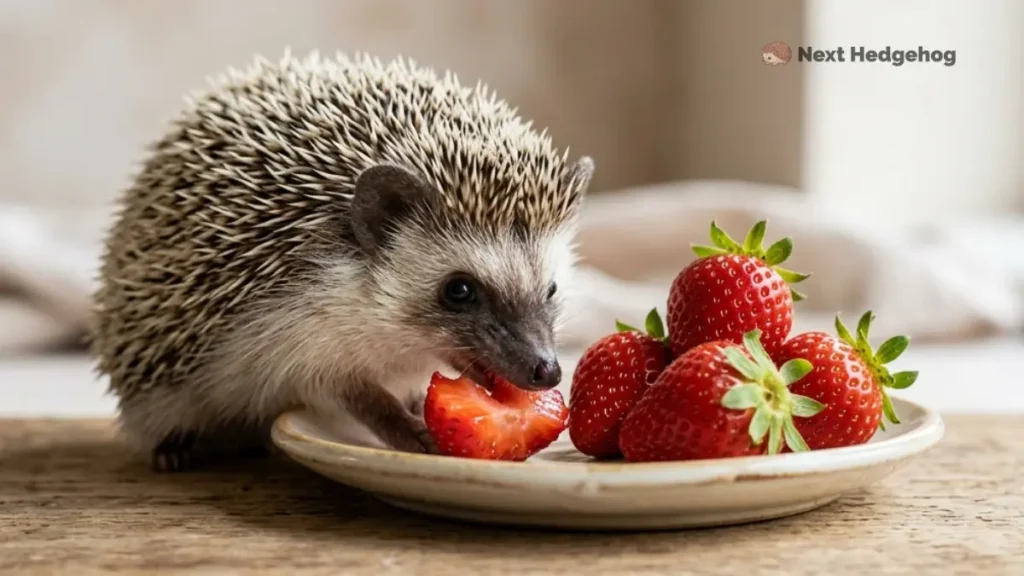
So it is not just about whether they can eat strawberries, but how much and how often is actually safe.
In this article, you will learn the benefits, possible risks, and the right way to feed strawberries to hedgehogs so you can keep them happy and healthy.
What is Strawberry?
A strawberry is a small, sweet, and juicy fruit that grows on low, leafy plants. It is bright red in color, has tiny seeds on its outer surface, and is known for its fresh aroma and slightly tangy taste.
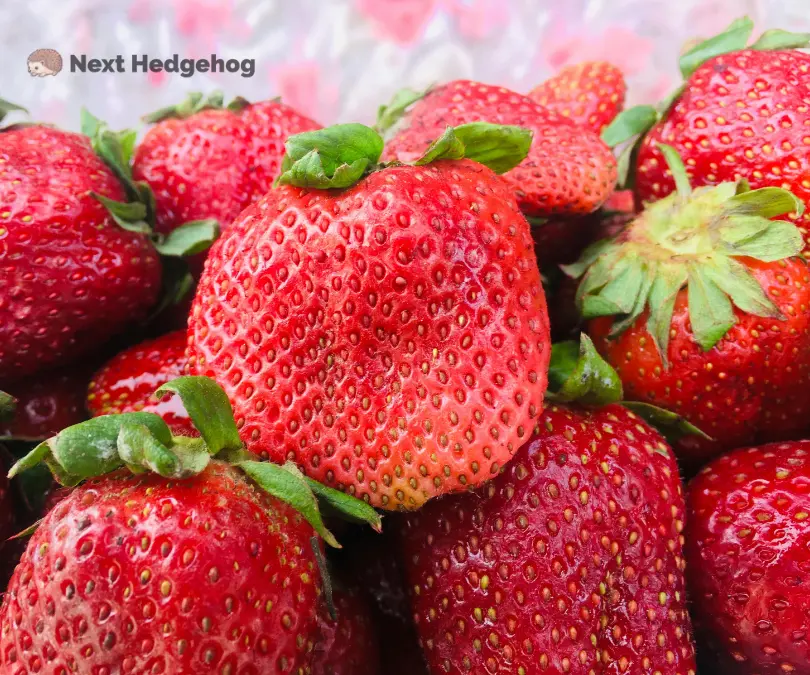
Scientifically, strawberries belong to the rose family and are not true berries in the botanical sense. They are rich in vitamins, especially vitamin C, along with antioxidants and fiber, which make them a popular healthy snack for humans.
Because of their soft texture and natural sweetness, strawberries are often used in desserts, smoothies, and jams.
However, when it comes to animals like hedgehogs, their sugar content means they should only be offered in moderation.
Different Types of Strawberry
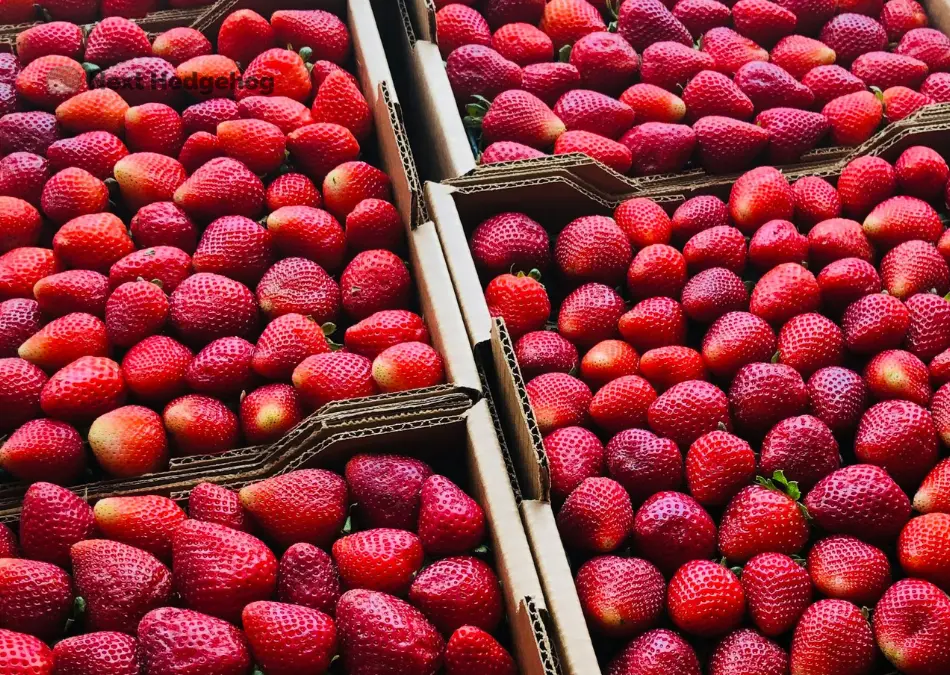
Strawberries come in several varieties, each with its own flavor, size, and growing season. While they may look similar at first glance, the differences can affect taste and texture.
June-bearing Strawberries
These are the most common type and produce one large harvest per year, usually in early summer. The fruits are often bigger, very sweet, and ideal for fresh eating or making jams.
Everbearing Strawberries
Everbearing varieties produce fruit two to three times a year, typically in spring, summer, and early fall. The berries are slightly smaller than June-bearing ones but still flavorful.
Day-neutral Strawberries
These strawberries can produce fruit continuously throughout the growing season as long as the temperature is suitable. They are great for a steady supply, though the fruits are usually smaller.
Wild Strawberries
Also known as alpine strawberries, these are much smaller but highly aromatic and sweet. They grow naturally in the wild and have a more intense flavor compared to cultivated types.
White Strawberries
Less common than red ones, white strawberries have a pale color with red seeds. They tend to be sweeter and less acidic, with a unique taste often compared to pineapple.
For hedgehogs, the type of strawberry matters less than how it is prepared and served. Regardless of the variety, strawberries should always be given in small amounts and as an occasional treat.
Is Strawberry Safe for Hedgehogs?
Yes, strawberries are generally safe for hedgehogs when given in small amounts and on an occasional basis.
Hedgehogs are primarily insect-eaters, so fruits like strawberries should never be a regular part of their diet. While strawberries are soft, easy to chew, and contain helpful nutrients like vitamin C and antioxidants, they also have natural sugars and mild acidity. Too much can lead to digestive upset, diarrhea, or unwanted weight gain.
The key is moderation. A small piece of fresh strawberry offered once in a while is usually safe for both pet and wild hedgehogs. Always wash the fruit thoroughly to remove pesticides, remove the green top, and cut it into tiny, manageable pieces to prevent choking.
If your hedgehog has never tried strawberries before, introduce them slowly and observe for any signs of discomfort or unusual behavior.
Nutritional Value of Strawberry
Strawberries are a nutrient-rich fruit that provides several essential vitamins and minerals, making them a healthy treat when offered in moderation. They are low in calories, high in water content, and packed with antioxidants that support overall health.
However, their natural sugar content means they should only be given occasionally to hedgehogs.
Here’s a breakdown of the nutritional value of strawberries per 100 grams:
| Nutrient | Amount (per 100g) |
|---|---|
| Calories | 32 kcal |
| Water | 91% |
| Carbohydrates | 7.7 g |
| Sugars | 4.9 g |
| Fiber | 2.0 g |
| Protein | 0.7 g |
| Fat | 0.3 g |
| Vitamin C | 58.8 mg |
| Vitamin A | 12 IU |
| Potassium | 153 mg |
| Calcium | 16 mg |
| Magnesium | 13 mg |
Benefits of Feeding Strawberry to Hedgehogs
Strawberries can be a healthy and refreshing treat for hedgehogs when offered in moderation. Although they are not a natural part of a hedgehog’s insect-based diet, their nutrient content and soft texture make them a suitable occasional snack.
- Supports hydration: Strawberries contain a high percentage of water, which can help keep hedgehogs hydrated, especially in warm weather or dry conditions.
- Boosts immune health: They are rich in vitamin C, which plays a role in supporting the immune system and overall well-being.
- Provides antioxidants: Strawberries are packed with antioxidants that help protect the body from harmful free radicals (not similar to harmful foods) and support long-term health.
- Aids digestion: The small amount of dietary fiber in strawberries can support healthy digestion when fed in limited quantities.
- Easy to chew and digest: Their soft texture makes strawberries easy for hedgehogs to nibble, reducing the risk of choking compared to harder foods.
- Adds dietary variety: Offering strawberries occasionally can make a hedgehog’s diet more interesting and provide enrichment without compromising their health.
Risks Factors of Overfeeding Strawberry
While strawberries can be a safe treat like related food items, overfeeding them can cause several health issues for hedgehogs. Their bodies are not designed to handle large amounts of fruit, especially those high in sugar and acidity.
- Digestive upset: Too many strawberries can lead to stomach problems such as diarrhea, bloating, or discomfort due to their water and fiber content.
- High sugar intake: Strawberries contain natural sugars, and excess consumption can contribute to weight gain and increase the risk of obesity in hedgehogs.
- Acidity issues: The mild acidity in strawberries may irritate a hedgehog’s sensitive digestive system if fed too often.
- Nutritional imbalance: Filling up on fruits like strawberries can reduce a hedgehog’s appetite for its main diet of insects, leading to a lack of essential nutrients.
- Risk of dental problems: Frequent exposure to sugary foods can potentially affect dental health over time.
- Possible allergic reactions: Although rare, some hedgehogs may show sensitivity or mild allergic reactions when introduced to new foods like strawberries.
Hedgehogs Strawberry Feeding Guide
Feeding strawberries to hedgehogs can be a safe and enjoyable experience when done correctly. Since hedgehogs have specific dietary needs, it’s important to follow proper feeding practices to avoid any health issues. Think of strawberries as a small treat rather than a regular food item in their diet.
Choose Fresh and Ripe Strawberries
Always select fresh, fully ripe strawberries that are soft, fragrant, and free from mold or bruising. Unripe or spoiled fruit can be harder to digest and may cause stomach discomfort. Fresh quality matters a lot because hedgehogs have sensitive digestive systems, and even small amounts of bad fruit can lead to issues.
Wash Thoroughly Before Serving
Before feeding, wash strawberries carefully under clean running water to remove dirt, bacteria, or pesticide residue. This step is especially important if the fruit is store-bought or grown in a garden where chemicals may have been used. Clean fruit reduces the risk of contamination and keeps your hedgehog safe.
Remove the Green Top
The leafy green cap and stem should always be removed before feeding. These parts are not toxic but are tough and not suitable for hedgehogs to chew or digest. Removing them also makes the fruit easier and safer to prepare in small portions.
Cut into Small Pieces
Slice the strawberry into very small, bite-sized pieces before offering it. Hedgehogs have small mouths and can struggle with larger chunks. Smaller pieces also help prevent choking and allow better portion control so you don’t accidentally overfeed.
Serve in Small Portions
Only offer a tiny amount at a time, such as one or two small pieces. Strawberries should never replace their main food. Keeping portions small ensures your hedgehog enjoys the treat without consuming too much sugar or water content in one sitting.
Feed Occasionally Only
Strawberries should be treated as an occasional snack, not a regular part of the diet. Once or twice a week at most is enough. Overfeeding can lead to digestive issues or nutritional imbalance, so moderation is very important for long-term health.
Introduce Slowly
If your hedgehog has never eaten strawberries before, introduce them gradually. Start with a very small piece and observe their reaction. This helps you check for any sensitivity or digestive upset before making it a regular occasional treat.
Monitor Your Hedgehog
After feeding strawberries, always watch your hedgehog for any unusual signs such as loose stool, bloating, or reduced appetite. Every hedgehog is different, and monitoring helps you quickly identify if the fruit does not suit them.
Keep the Diet Balanced
Strawberries should only make up a tiny part of the overall diet. A hedgehog’s nutrition should mainly come from insects or high-quality hedgehog food. Treats are just for enrichment and should never disturb their balanced nutritional intake.
Feeding Frequency Guidelines: By Age & Amount
Feeding strawberries to hedgehogs is not just about whether they are safe, but also about how often and how much should be given based on age and body needs. Younger hedgehogs have more sensitive digestion, while adults can tolerate slightly more variety.
So, moderation is always key. Strawberries should remain an occasional treat regardless of age.
Here is a simple feeding frequency guide based on age and portion size:
| Age Group | Feeding Frequency | Recommended Amount per Serving | Notes |
|---|---|---|---|
| Baby Hedgehogs | Not recommended | 0 | Their digestive system is too sensitive for fruit |
| Juvenile (2–6 months) | Rare (once every 2–3 weeks) | 1 very small piece | Only if already adjusted to solid insect-based diet |
| Young Adults | Once a week (maximum) | 1–2 small pieces | Introduce slowly and monitor digestion |
| Adult Hedgehogs | 1–2 times per week max | 2–3 small pieces | Keep portions very limited to avoid sugar overload |
| Senior Hedgehogs | Once a week or less | 1–2 very small pieces | Older hedgehogs may have weaker digestion |
Raw vs Boiled Strawberry
Strawberries can be offered to hedgehogs in different forms, but not all preparation methods are equally suitable. Because hedgehogs have sensitive digestive systems, how you serve the fruit matters just as much as the fruit itself. Let’s compare raw and boiled strawberries to understand which option is safer.
Raw Strawberry
Raw strawberries are the most natural form and the one most commonly recommended in very small amounts. They retain all their natural vitamins, water content, and fiber, which can provide minor nutritional benefits. However, they also contain natural sugars and acidity, which can sometimes be hard on a hedgehog’s stomach if overfed. When serving raw strawberries, they must always be washed thoroughly, cut into tiny pieces, and given only as an occasional treat.
Boiled Strawberry
Boiled strawberries are soft and easier to mash, but this preparation method is not ideal for hedgehogs. Boiling reduces some nutrients and increases water content, which can make the fruit overly mushy and less appealing.
It may also become too sugary in a concentrated form once broken down. In most cases, boiled strawberries are unnecessary and do not provide extra benefits compared to raw ones.
Final Recommendation
Raw strawberries are the better option if you choose to feed them at all, but only in very small, controlled amounts. Boiled strawberries are not recommended due to nutrient loss and texture changes.
Overall, strawberries should always remain an occasional treat rather than a regular part of a hedgehog’s diet.
Alternative Items You Can Offer
If you want to add variety to your hedgehog’s diet without relying only on strawberries, there are several other safe fruit-based treats you can offer in very small amounts. These alternatives provide similar sweetness and hydration while still keeping your hedgehog’s diet balanced and safe.
- Blueberries: Blueberries are one of the safest fruit options for hedgehogs. They are small, soft, and packed with antioxidants. Because of their size, they are easy to portion and reduce the risk of overfeeding compared to larger fruits like strawberries.
- Raspberries: Raspberries have a similar sweet-tart profile to strawberries and contain beneficial fiber. They should still be given in moderation, but their lower sugar content makes them a good occasional alternative treat.
- Watermelon (seedless): Watermelon is very hydrating and can be a refreshing snack, especially in hot weather. Make sure it is seedless and offered in tiny pieces, as the high water content means it should only be given sparingly.
- Apple (peeled and seedless): Small pieces of peeled apple can be a crunchy alternative. Apples have a mild sweetness similar to strawberries but should always be served without seeds, as apple seeds are unsafe for hedgehogs.
- Papaya: Papaya is soft, easy to digest, and contains digestive enzymes that can be gentle on the stomach. It is slightly tropical in taste and can be offered occasionally as a small treat variety.