Can Hedgehogs Eat Dog Food? ATTENTION Required for 2026
Yes, hedgehogs can eat dog food, but only in certain conditions and not as a complete diet.
Many pet owners wonder if dog food is a safe or practical option for hedgehogs. Since hedgehogs are insectivores, their nutritional needs are quite specific.
In the wild, they mainly eat insects, small invertebrates, and occasional plant matter. Because of this, their diet in captivity must be carefully balanced with enough protein and the right amount of fat.
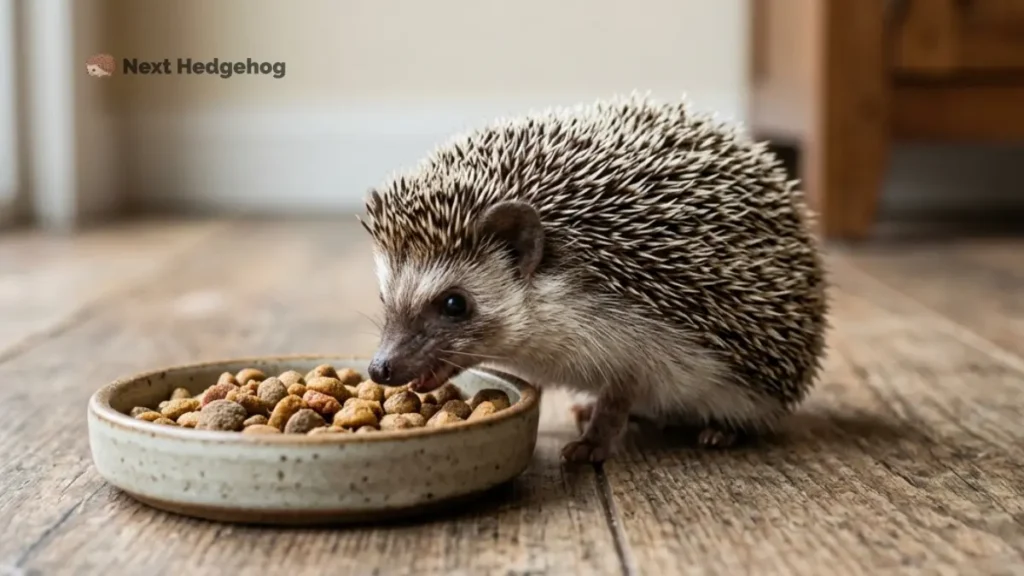
Dog food is sometimes used as a quick or temporary food option because it is widely available and easy to serve. However, not all dog foods are suitable, and relying on them long term can lead to health problems.
In this article, we will explore whether hedgehogs can safely eat dog food, what type is best if used, and what better alternatives you should consider for a healthy hedgehog diet.
What is Dog Food?
Dog food is a specially formulated type of food designed to meet the nutritional needs of domestic dogs. It usually comes in dry kibble, wet canned form, or semi-moist varieties.
The main purpose of dog food is to provide a balanced mix of protein, fats, carbohydrates, vitamins, and minerals that support a dog’s overall health, energy, and growth.

Most commercial dog foods are made using ingredients like meat, grains, vegetables, and added nutrients. Higher quality brands focus more on animal protein sources, while lower quality options may include more fillers such as corn or soy.
Dog food is created specifically for dogs, which means its nutritional profile is not naturally suited for other animals like hedgehogs. This is why it should only be used with caution when considered for pets outside of dogs.
Are Dog Foods Safe for Hedgehogs?
Dog foods can be safe for hedgehogs, but only in limited situations and with the right choice of product.
Hedgehogs have very different dietary needs compared to dogs. They require a high-protein, low-fat diet that is similar to what they would eat in the wild, mainly insects and small invertebrates.
Some high-quality dry dog foods can be used as a temporary or occasional option because they contain protein and are easy to access.
However, not all dog foods are safe for hedgehogs. Many brands contain high levels of fat, grains, or artificial additives that are not suitable for them. Feeding the wrong type of dog food regularly can lead to obesity, digestive issues, and long-term health problems.
Nutritional Value of Dog Food
Dog food is formulated to provide complete nutrition for dogs, which means it contains a mix of protein, fats, carbohydrates, vitamins, and minerals. The exact nutritional value depends on the brand and type, but most dog foods follow a similar basic structure.
Understanding these nutrients helps explain why some dog foods can occasionally be used for hedgehogs, while others are not suitable at all.
Below is a general breakdown of the typical nutritional composition found in dry dog food.
| Nutrient | Typical Range | Purpose |
|---|---|---|
| Protein | 18% – 30% | Supports muscle growth, repair, and overall body function |
| Fat | 8% – 20% | Provides energy and supports healthy skin and coat |
| Carbohydrates | 30% – 60% | Main energy source, often from grains or vegetables |
| Fiber | 2% – 5% | Aids digestion and supports gut health |
| Calcium | 0.5% – 1.5% | Strengthens bones and teeth |
| Phosphorus | 0.4% – 1.2% | Works with calcium for bone health |
| Vitamins & Minerals | Small amounts | Support immune system and overall health |
Dog Foods Hedgehogs Can Eat
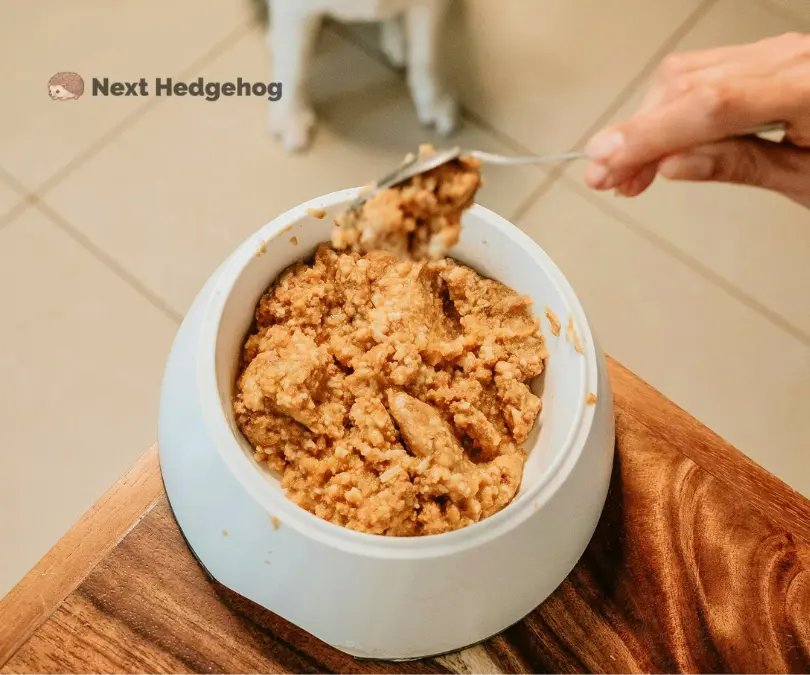
Dog food comes in many varieties, and different brands offer different levels of quality, protein, and ingredient sources. When choosing dog food that may be safe for hedgehogs in small amounts, the focus is usually on high-protein, low-fat dry kibble with simple ingredients and minimal fillers.
Here are some commonly known dog food brands that are often discussed for their higher protein content and better ingredient quality:
- Orijen Original Dry Dog Food: This is a very high-protein dog food made with multiple animal protein sources like chicken, turkey, and fish. It is rich in meat-based ingredients and has very low carbohydrate content, which makes it closer to a hedgehog-friendly option when used occasionally.
- Acana Grain-Free Dry Dog Food: Acana is known for using fresh meat ingredients and balanced nutrition. It contains a high percentage of animal protein and fewer fillers, making it a better option compared to many standard commercial dog foods.
- Taste of the Wild Dry Dog Food: This brand uses novel proteins like bison, venison, and fish. It is moderately high in protein and often grain-free, which can make it a suitable occasional choice for hedgehogs when needed.
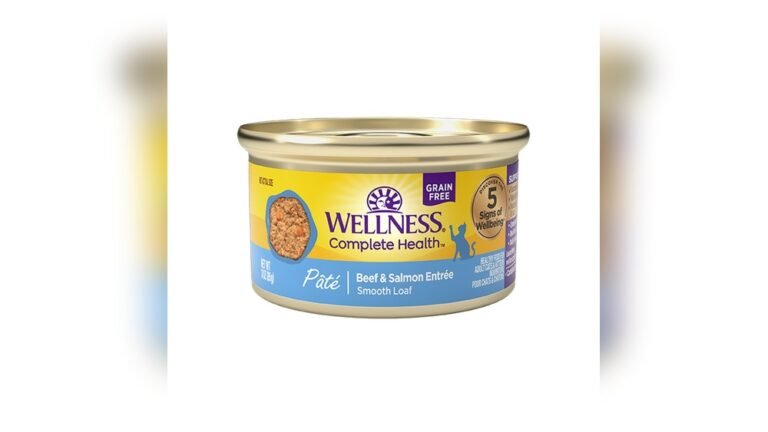
- Wellness CORE Grain-Free Dry Dog Food: Wellness CORE focuses on high protein and meat-based formulas with limited carbohydrates. It is often used by pet owners looking for nutrient-dense kibble with fewer artificial ingredients.
Dog Foods Hedgehogs Can’t Eat
Not all dog foods are safe for hedgehogs, even if they are sometimes used as a temporary feeding option. Many commercial dog foods contain ingredients that are too fatty, too processed, or too hard for hedgehogs to digest.
Since hedgehogs have sensitive digestive systems and very specific dietary needs, the wrong type of dog food can quickly lead to obesity, digestive upset, or long-term health issues.
Below are the main types of dog foods that hedgehogs should avoid.
- High-fat dog foods: Dog foods with very high fat levels can be harmful for hedgehogs. They are prone to obesity, and excess fat can lead to serious health problems like fatty liver disease.
- Grain-heavy or filler-based dog foods: Products that contain large amounts of corn, wheat, soy, or other fillers are not suitable. These ingredients are difficult for hedgehogs to digest and offer very little nutritional value.
- Processed or flavored dog foods (sausages, jerky-style, or heavily seasoned kibble): Any dog food with added salt, spices, or artificial flavoring should be avoided. Hedgehogs cannot handle high sodium or strong additives in their diet.
- Low-quality commercial dog foods with artificial additives: Cheap dog foods often contain preservatives, colorings, and by-products that may be safe for dogs but can cause digestive stress or poor health in hedgehogs.
Benefits of Feeding Dog Food to Hedgehogs
While dog food is not a natural part of a hedgehog’s diet, it can offer some practical benefits when used correctly. In certain situations, especially as a backup or temporary option, high-quality dry dog food can help meet basic nutritional needs.
Here are some of the main benefits.
- Easy to find and affordable: Dog food is widely available in most pet stores, making it a convenient option when hedgehog-specific food is not accessible.
- Provides a decent source of protein: High-quality dry dog foods contain animal-based protein, which is important for a hedgehog’s muscle health and energy.
- Long shelf life: Dry kibble can be stored for a long time without spoiling, making it useful for emergency feeding situations.
- Simple to prepare: Dog food requires no special preparation. It can be served quickly, which is helpful for busy pet owners or unexpected situations.
- Can act as a backup diet option: In cases where hedgehog food or insects are unavailable, dog food can serve as a temporary substitute to prevent food gaps.
Risks Factors of Overfeeding Dog Food
Feeding dog food to hedgehogs in small amounts can be acceptable in some cases, but overfeeding it can lead to serious health problems. Since dog food is not naturally designed for hedgehogs, regular or excessive consumption can quickly disrupt their diet balance.
Here are the main risk factors to be aware of.
- Obesity and weight gain: Many dog foods contain higher fat and calorie levels than hedgehogs need. Over time, this can lead to obesity, which puts stress on the heart, liver, and joints.
- Nutritional imbalance: Hedgehogs require a diet rich in insects and specific nutrients. Relying too much on dog food can create deficiencies in essential vitamins and minerals.
- Digestive problems: Hedgehogs have sensitive stomachs. Overfeeding dog food, especially low-quality varieties, can cause bloating, diarrhea, or constipation.
- Liver and kidney strain: Excess protein or fat intake from unsuitable dog food can put pressure on vital organs, especially if fed regularly over time.
- Loss of natural feeding behavior: Hedgehogs may become dependent on easy, processed food and lose interest in natural insect-based foods, which are essential for their long-term health.
Hedgehogs Dog Food Feeding Guide
Feeding dog food to hedgehogs should always be done with care and moderation. Since it is not their natural diet, portion control, food quality, and feeding frequency all play an important role in keeping them healthy. A proper feeding guide helps ensure that dog food is only used as a safe backup option, not a daily staple.
Choose the Right Type of Dog Food
Always select high-quality dry dog food with a high protein content and low fat level. Look for formulas that are meat-based and avoid products with excessive fillers, artificial flavors, or high carbohydrates. Grain-free options are often preferred for occasional use.
Control Portion Size
Hedgehogs eat very small amounts. A small handful of kibble or a few pieces per feeding is usually enough. Overfeeding can quickly lead to weight gain and digestive issues, so portions should always be limited.
Limit Feeding Frequency
Dog food should not be given every day. It is best used only a few times per week or during emergencies when hedgehog food or insects are not available. A consistent insect-based diet should remain the main source of nutrition.
Soften the Kibble if Needed
Some hedgehogs may find dry kibble hard to chew. Lightly soaking the dog food in warm water can make it easier to eat and digest, especially for younger or older hedgehogs.
Monitor Your Hedgehog’s Health
Always observe your hedgehog after introducing dog food. Watch for signs like weight gain, changes in stool, or reduced activity. If any issues appear, stop feeding dog food and return to a proper hedgehog-friendly diet.
Following these simple guidelines helps reduce risks while still allowing dog food to be used safely when necessary.
Feeding Frequency Guidelines: By Age & Amount
Hedgehogs have different nutritional needs depending on their age, size, and activity level. When dog food is included in their diet, it should always be controlled carefully. Overfeeding or incorrect frequency can quickly lead to weight gain and digestive issues.
The table below provides a simple guide to help you understand how often and how much dog food can be given safely in different life stages.
| Age Group | Feeding Frequency | Suggested Amount (Dog Food) | Notes |
|---|---|---|---|
| Baby Hedgehogs (0–2 months) | Not recommended | Avoid dog food | They need mother’s milk or specialized hedgehog formula |
| Juvenile Hedgehogs (2–6 months) | 1–2 times per week | 2–4 small kibble pieces | Only as a supplement with insect-based diet |
| Adult Hedgehogs (6 months–3 years) | 2–3 times per week (max) | Small handful of kibble | Should remain a minor part of diet |
| Senior Hedgehogs (3+ years) | 1–2 times per week | 2–3 softened kibble pieces | Easier-to-digest portions preferred |
Alternative Items You Can Offer
If you want to keep your hedgehog healthy and well-nourished, it is better to rely on foods that match their natural diet. Hedgehogs are insectivores, so they thrive on high-protein, insect-based foods rather than dog food.
Here are some safer and more suitable alternatives you can offer.
- Mealworms (dried or live): Mealworms are one of the most popular hedgehog foods. They are rich in protein and closely match what hedgehogs eat in the wild. They should be given in moderation to avoid excess fat intake.
- Crickets: Crickets are another excellent protein source. They are low in fat and help support natural hunting behavior, keeping hedgehogs active and engaged.
- Hedgehog-specific dry food: Specially formulated hedgehog kibble is designed to meet their nutritional needs. It usually contains the right balance of protein, fat, and fiber for daily feeding.
- Cooked lean meats (occasional use): Small amounts of plain cooked chicken or turkey can be offered occasionally. It should be unseasoned and free from salt, oil, or spices.