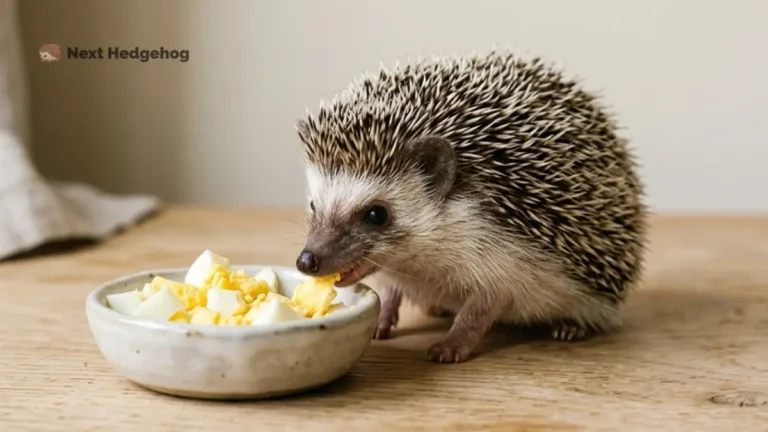
What Do Wild Hedgehogs Eat? Shocking Natural Diet Explained!
Wild hedgehogs are small, quiet creatures that often go unnoticed in the wild. But when night falls, they become active little foragers with a surprisingly important role in nature. Their diet is not random. It is shaped by instinct, habitat, and survival needs.
Most people imagine hedgehogs eating simple garden food, but their natural menu is much more diverse. From crawling insects to hidden worms under the soil, they are constantly searching for their next meal. Every bite helps them build energy, stay warm, and prepare for changing seasons.
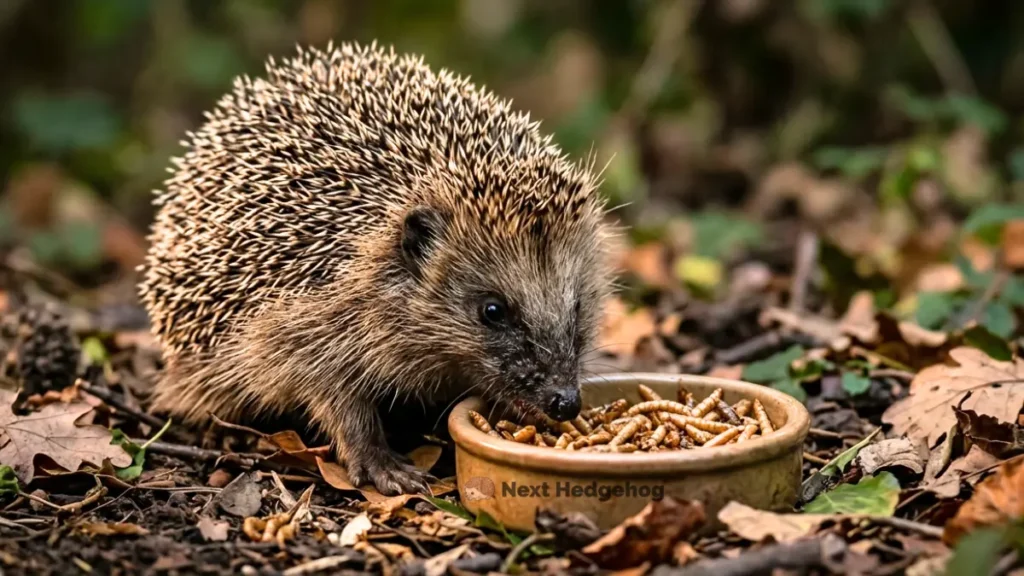
Understanding what wild hedgehogs eat gives us a clearer picture of how they live and survive. It also shows how closely they are connected to the ecosystems around them. Once you look into their diet, you start to see how clever and adaptable these small animals really are.
What Are Wild Hedgehogs?
Wild hedgehogs are small, spiny mammals that live in natural environments such as forests, grasslands, hedgerows, and gardens. They are mostly nocturnal, which means they become active during the night and rest during the day in nests made from leaves, grass, or other natural materials.
These animals are known for their protective coat of sharp spines, which they use as a defense against predators. When they feel threatened, they curl into a tight ball, making it difficult for anything to attack them.
Wild hedgehogs are solitary creatures. They usually prefer to live and forage alone rather than in groups. Their behavior is driven mainly by survival needs, especially finding food and staying safe.
They play an important role in the ecosystem by controlling insect populations and helping maintain a natural balance in their habitat.
Core Diet of Wild Hedgehogs in the Wild
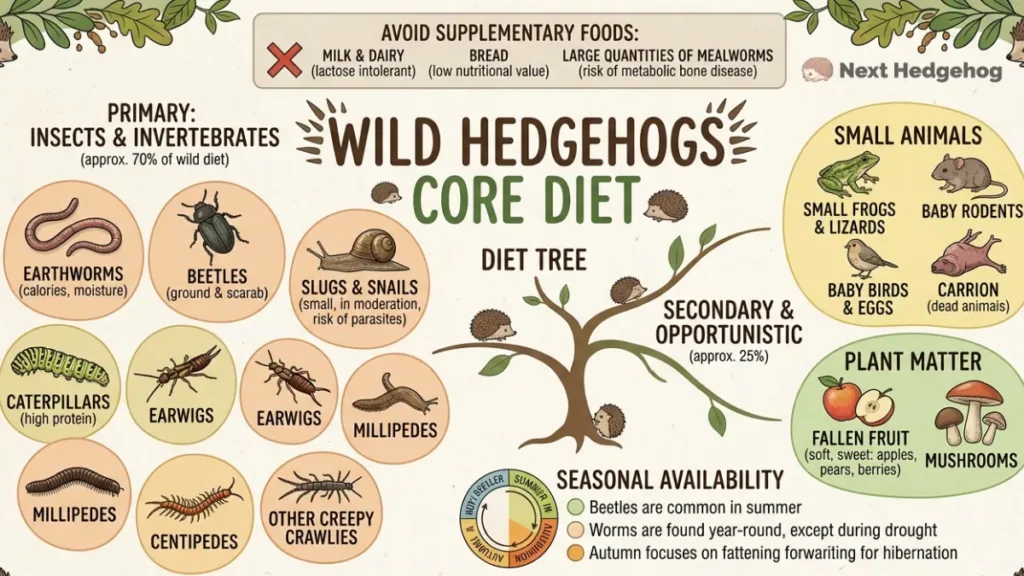
Wild hedgehogs are natural insectivores, which means most of their diet comes from small creatures they find on the ground. Their food choices are shaped by availability, season, and habitat.
In the wild, they rely heavily on protein rich prey to stay active and build energy for survival.
- Insects (Beetles, Caterpillars, Grasshoppers): The most common food source, providing essential protein and energy
- Earthworms: A highly preferred food, especially after rainfall when worms are easier to find
- Snails and Slugs: Important moisture rich prey that also supplies nutrients
- Spiders and Other Small Invertebrates: Opportunistic food sources when larger prey is not available
- Millipedes and Earwigs: Occasionally eaten, depending on habitat and availability
- Small Vertebrates (Frogs, Baby Mice): Rare but possible when hedgehogs come across them
- Bird Eggs (Ground Nests): Infrequent but consumed when easily accessible
- Carrion (Dead Animals): A fallback option during food shortages
How Wild Hedgehogs Hunt and Forage for Food?
Wild hedgehogs are active hunters at night, using darkness as their advantage. They do not rely on speed or strength. Instead, they depend on patience, strong senses, and steady searching. As they move slowly through grass, leaves, and soil, they carefully investigate every scent and sound around them.
Their sense of smell is their most powerful tool. Hedgehogs can detect hidden insects and worms buried under leaves or soil. They also use their hearing to pick up faint movements of prey. Once they locate something, they dig and snuffle until they reach it. Their long snout helps them explore tight spaces and push through natural debris.
Hunting for hedgehogs is more like continuous foraging than chasing. They move in a zigzag pattern, covering ground thoroughly rather than quickly. They rarely waste energy on fast pursuit. Instead, they rely on consistent searching to find food scattered across their territory.
They are also opportunistic feeders. If they come across easy food like fallen insects or small creatures in their path, they will eat it immediately. This flexible foraging style helps wild hedgehogs survive in changing environments where food is not always predictable.
Natural Plant-Based Foods in a Wild Hedgehog’s Diet
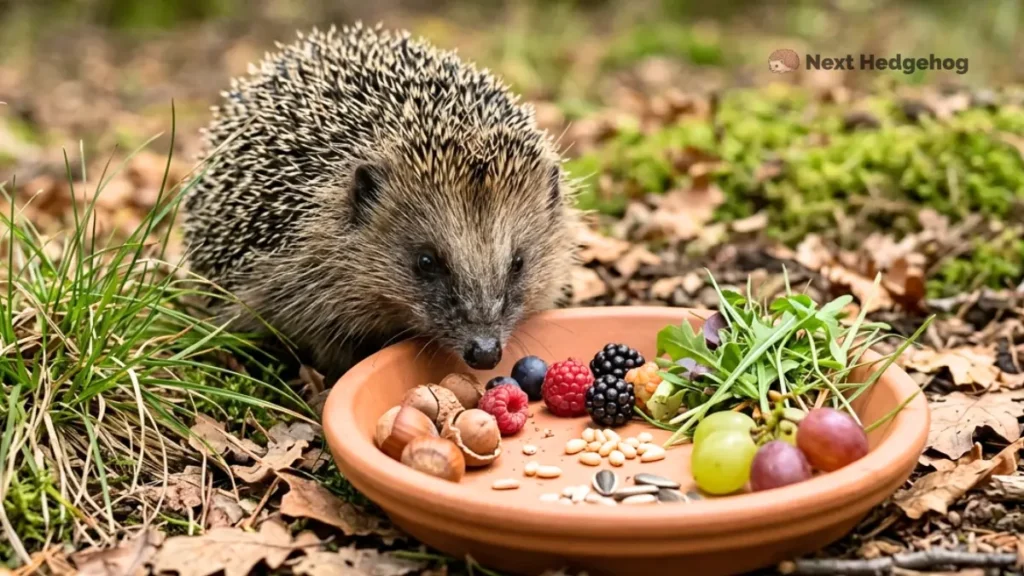
Wild hedgehogs are mainly insect eaters, but they do not completely ignore plant based foods. While animal prey gives them most of their nutrition, they sometimes consume plant material when it is available. These foods are not their main source of energy, but they can support their diet in small amounts.
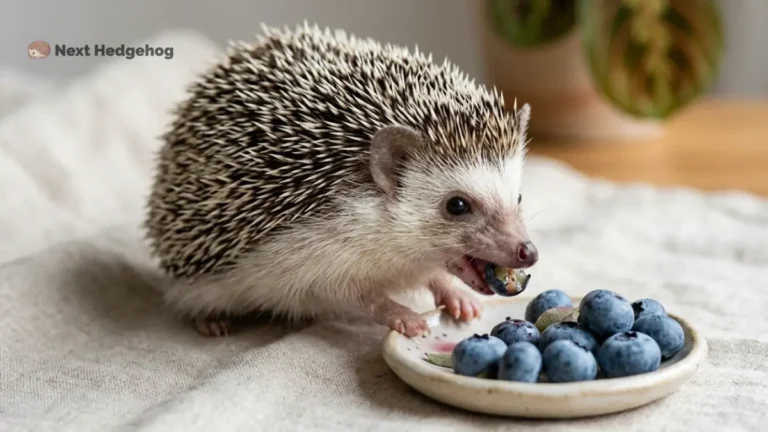
- Fruits and berries: Occasionally eaten when they are soft, ripe, and easy to access, especially fallen fruits on the ground
- Seeds and nuts: Rarely consumed, but may be picked up accidentally while foraging through leaf litter
- Fungi and mushrooms: Sometimes eaten in the wild, depending on availability and habitat conditions
- Grass and leaves: Usually not a food source, but may be ingested incidentally while searching for insects
- Root vegetables or plant matter (accidental feeding): Occasionally consumed in disturbed environments or gardens
These plant based foods are secondary in importance. They do not replace their need for protein rich prey, but they can provide extra variety when animal food is harder to find.
Water Intake and Hydration Sources in the Wild
Wild hedgehogs need regular hydration to stay healthy and active, especially during their nightly foraging. In the wild, they do not always find standing water easily, so they depend on a mix of natural sources and moisture from their food. Their hydration habits are simple, but highly effective for survival.
- Puddles and rainwater: One of the most common drinking sources, especially after rainfall when water collects on the ground
- Streams and small water bodies: Natural flowing water provides a reliable hydration source in forested and rural areas
- Morning dew: Hedgehogs may lick moisture from grass, leaves, and plants during early hours or damp nights
- Moisture from prey: Insects, worms, and snails contain high water content and help meet much of their hydration needs
- Seasonal availability: Water intake often depends on weather, with increased reliance on food moisture during dry periods
- Occasional garden water sources: In human-influenced areas, they may use pet bowls or shallow outdoor containers when available
Foods That Are Dangerous or Harmful to Wild Hedgehogs
Wild hedgehogs have a sensitive digestive system, and not everything they come across in human environments is safe for them. While they are opportunistic feeders, certain foods and substances can seriously harm their health or even become life threatening. Knowing what to avoid is important for understanding their survival challenges in the wild.
- Milk and dairy products: Hedgehogs are lactose intolerant, and dairy can cause severe digestive upset and dehydration
- Processed human foods: Items like bread, chips, biscuits, and sugary snacks offer no nutrition and can lead to illness
- Salty foods: Excess salt can quickly dehydrate hedgehogs and damage their organs
- Chocolate and caffeine products: These contain toxic compounds that are dangerous even in small amounts
- Onions, garlic, and spicy foods: These can cause digestive irritation and toxicity
- Pesticides and insecticides: Chemicals used in gardens can poison hedgehogs through contaminated prey
- Plastic or non-food waste: Often accidentally consumed, leading to choking or internal blockages
- Spoiled or rotten food: Can introduce harmful bacteria and parasites into their system
How Wild Hedgehog Diet Differs from Pet Hedgehog Diet?
Wild hedgehogs and pet hedgehogs may look similar, but their diets are shaped by completely different environments. In the wild, food is unpredictable and based on survival. In captivity, diet is controlled, balanced, and designed for long term health.
Understanding these differences helps explain why hedgehogs behave and eat so differently depending on where they live.
Wild Hedgehog Diet
Wild hedgehogs are opportunistic feeders that rely on whatever they can find at night. Their diet is mainly made up of insects, worms, slugs, and other small invertebrates. They do not have guaranteed meals, so they must constantly forage and adapt to seasonal changes.
During warmer months, food is more abundant, while in colder seasons they build fat reserves to survive periods of scarcity or hibernation.
They may also consume small vertebrates, eggs, or carrion when available, but these are not regular food sources. Plant matter is only eaten occasionally and mostly by accident.
Their diet is highly variable, and nutrition depends entirely on what their environment provides each night.
Pet Hedgehog Diet
Pet hedgehogs live in a controlled environment where food is provided regularly and safely. Their diet is carefully designed to meet nutritional needs without the risks found in the wild.
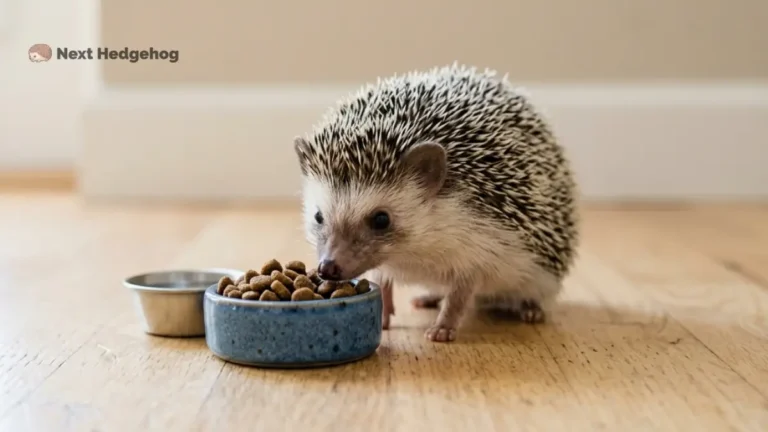
Most pet hedgehogs are fed high quality commercial hedgehog food or specially formulated insectivore diets that contain the right balance of protein and fat.
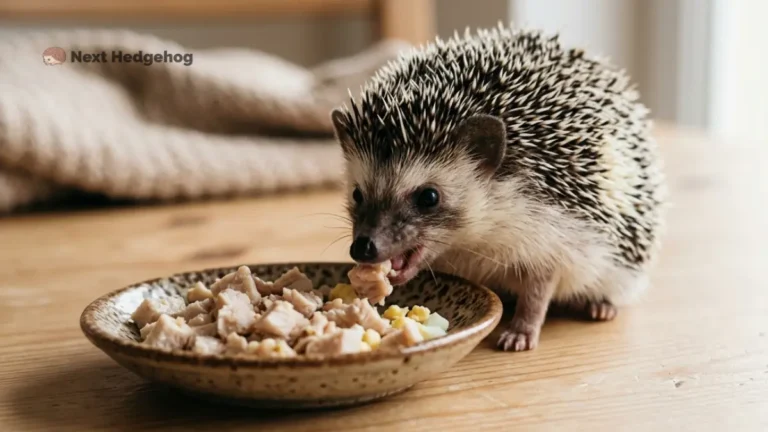
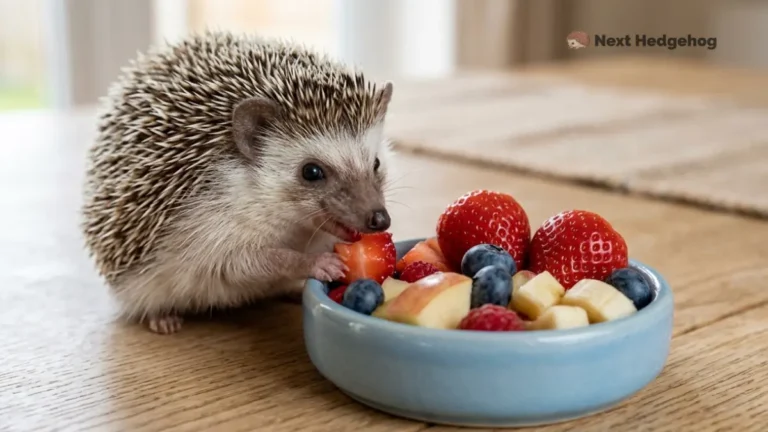
In addition to dry food, they are often given supplements like cooked meat, mealworms, or small amounts of fruits and vegetables. Unlike wild hedgehogs, pets do not need to hunt or forage, so their diet is more consistent and less dependent on instinct.
Owners must also ensure they avoid harmful foods like dairy, sugary treats, and processed human snacks to keep them healthy.
FAQs and Answers
Do wild hedgehogs eat plants or vegetables?
Wild hedgehogs mainly eat insects and small invertebrates. They may sometimes consume fruits, berries, or plant matter, but this is not a major part of their diet and usually happens by chance while foraging.
What is the main food of wild hedgehogs?
The main food of wild hedgehogs is insects. Beetles, worms, slugs, and caterpillars make up most of their natural diet because they provide the protein and energy they need to survive.
Do wild hedgehogs eat meat?
Yes, but only in small amounts. They may occasionally eat small vertebrates like frogs, baby mice, or carrion if they find them, but this is not common.
Can wild hedgehogs survive without insects?
It would be very difficult. Insects and other invertebrates are their primary food source, so without them, hedgehogs would struggle to get enough nutrition and energy.
Do wild hedgehogs drink water?
Yes, they drink water when available. They usually get it from puddles, streams, dew, and sometimes from moisture in their food like worms and snails.
Are wild hedgehogs dangerous to humans?
No, wild hedgehogs are harmless to humans. They are shy, non-aggressive animals that prefer to avoid contact and focus on foraging for food at night.
Can hedgehogs eat human food?
Most human food is not safe for hedgehogs. Foods like dairy, processed snacks, and sugary items can harm their digestive system and should be avoided.