Can Hedgehogs Eat Spinach? Safe Veggie or Secret Danger?
Spinach often looks like a healthy, harmless treat—packed with vitamins and commonly found in many kitchens. But when it comes to hedgehogs, not every leafy green is as safe or beneficial as it seems at first glance.
If you’re caring for a hedgehog, you already know their diet needs careful balance. These little insectivores thrive on protein-rich foods, and while occasional vegetables can be introduced, not all greens make the cut.
That’s where spinach becomes an interesting topic—often praised for its nutrients, but also debated for its potential downsides in hedgehog diets.
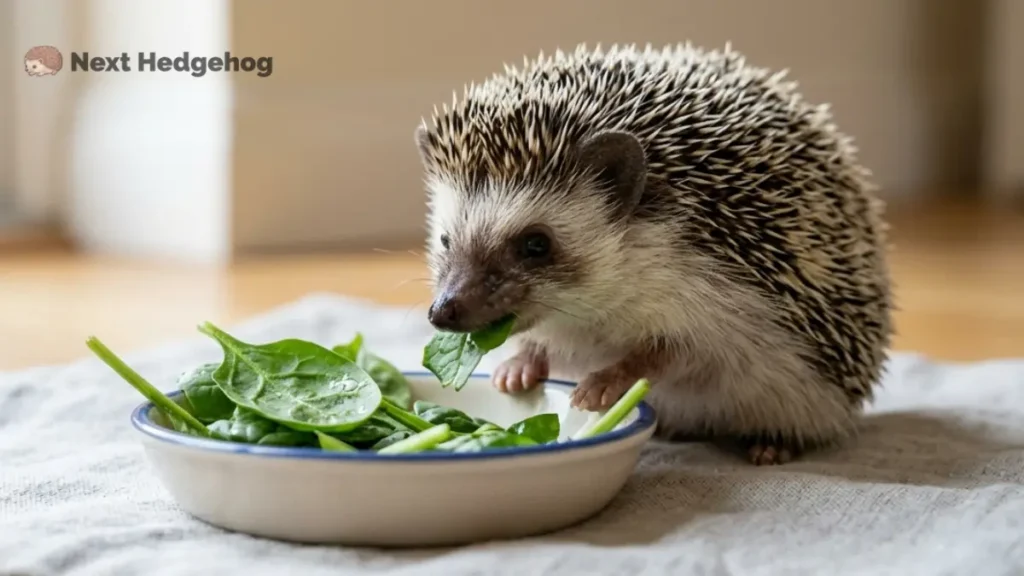
So, can hedgehogs eat spinach safely, or should it stay off their feeding plate altogether?
In this guide, we’ll break down the benefits, risks, and proper way (if any) to offer spinach, so you can make the best dietary choice for your hedgehog’s long-term health and happiness.
What is Spinach?
Spinach is a leafy green vegetable from the plant species Spinacia oleracea, widely known for its soft, dark green leaves and rich nutritional profile. It belongs to the amaranth family and is commonly grown and eaten around the world in both raw and cooked forms.
This vegetable is especially popular because it’s packed with vitamins and minerals like vitamin A, vitamin C, vitamin K, iron, and folate.
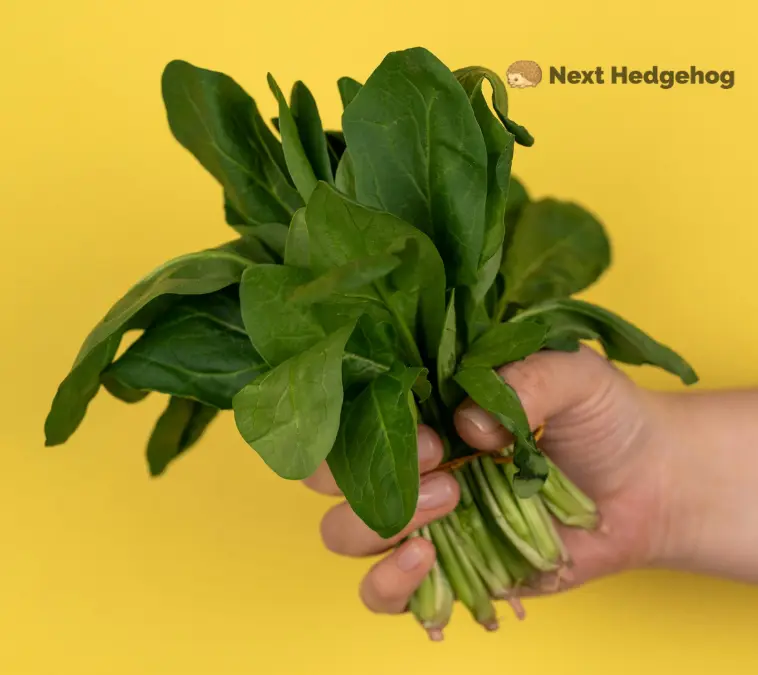
That’s why spinach often appears in salads, smoothies, soups, and cooked dishes as a “superfood” ingredient for humans.
In nature, spinach grows in cool climates and is harvested for its tender leaves before the plant fully matures.
While it’s considered highly beneficial for people, its suitability for small pets like hedgehogs depends on more specific dietary needs—which is why it’s important to look beyond human nutrition when evaluating it for animals.
Different Types of Spinach
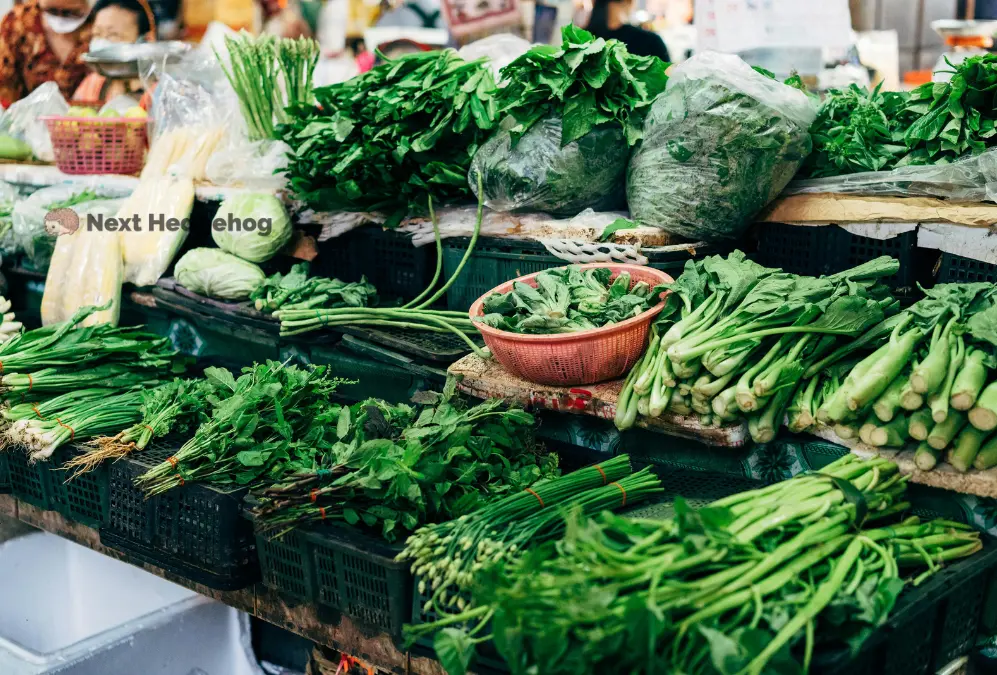
Spinach isn’t just one uniform leafy green—it actually comes in a few different varieties, each with its own texture, taste, and culinary use. While they all belong to the same plant family, the differences between them can affect how they’re used in meals and how suitable they might be for small animals like hedgehogs.
Here are the most common types of spinach you’ll come across:
Savoy Spinach
Savoy spinach is the classic type most people picture when they think of spinach. It has dark green, curly, and crinkly leaves that feel a bit rough to the touch. Because of its sturdy texture, it holds up well in cooking, especially in soups and sautés. However, the curly surface can sometimes trap dirt and grit, so it requires thorough washing before use.
Semi-Savoy Spinach
Semi-savoy spinach is a hybrid between savoy and smooth-leaf varieties. Its leaves are slightly crinkled but not as curly or tough as savoy spinach. This makes it easier to clean and more versatile for both raw and cooked dishes. Many home gardeners prefer this type because it balances texture and ease of preparation.
Smooth-Leaf (Flat-Leaf) Spinach
Smooth-leaf spinach, also called flat-leaf spinach, has broad, tender, and easy-to-clean leaves. It is commonly found in pre-packaged bags in supermarkets because it’s convenient and ready to eat. This variety is often used in salads and smoothies due to its soft texture and mild taste.
Baby Spinach
Baby spinach is simply young, tender spinach leaves harvested early in their growth stage. It has a softer texture, milder flavor, and is commonly sold pre-washed in bags. Because of its tenderness, it’s especially popular in raw dishes like salads and is considered the easiest form of spinach to eat and prepare.
Is Spinach Safe for Hedgehogs?
Spinach is a bit of a “gray area” food when it comes to hedgehogs. While it is not considered toxic, it is also not an ideal or regularly recommended part of their diet.
Hedgehogs are primarily insectivores, which means their digestive systems are designed to process insects and high-protein foods rather than large amounts of plant matter. Spinach, although nutrient-rich for humans, contains compounds that make it less suitable for small animals when fed frequently.
One of the main concerns is that spinach is high in oxalates, which can bind to calcium in the body and potentially contribute to kidney or bladder issues over time if consumed too often. It also contains a high level of fiber for a hedgehog’s sensitive digestive system, which may lead to mild stomach upset in some cases.
That said, a tiny, occasional amount of plain, fresh spinach is unlikely to harm a healthy hedgehog. The key is moderation and balance—spinach should never replace their core diet of insects and high-quality hedgehog food.
Nutritional Value Of Spinach
Spinach is often praised as a nutrient-dense leafy green, meaning it provides a high amount of vitamins and minerals while being very low in calories. This is why it’s considered a “superfood” for humans. However, understanding its nutritional profile is also important when evaluating whether it’s suitable for small animals like hedgehogs.
Below is a simple breakdown of the key nutrients found in raw spinach (per 100 grams):
| Nutrient | Amount | Benefit |
|---|---|---|
| Calories | 23 kcal | Very low energy food |
| Water | ~91% | High hydration content |
| Protein | 2.9 g | Supports body tissue repair |
| Carbohydrates | 3.6 g | Small energy source |
| Fiber | 2.2 g | Aids digestion (can be heavy for small pets) |
| Fat | 0.4 g | Extremely low fat content |
| Vitamin A | 469 µg | Supports vision and immunity |
| Vitamin C | 28 mg | Antioxidant support |
| Vitamin K | 483 µg | Important for blood clotting |
| Iron | 2.7 mg | Helps oxygen transport in blood |
| Calcium | 99 mg | Supports bones (but oxalates can reduce absorption) |
| Magnesium | 79 mg | Supports muscle and nerve function |
Benefits of Feeding Spinach to Hedgehogs
Even though spinach is not a core part of a hedgehog’s natural diet, it can offer a few minor benefits when given very occasionally and in small portions. The key is understanding that these benefits are supplemental—not essential—and should never replace protein-based foods like insects or quality hedgehog kibble.
Here are some potential benefits of feeding spinach to hedgehogs in moderation:
- Low-Calorie Hydration Boost: Spinach has a very high water content, which can provide a small hydration boost, especially if your hedgehog is eating dry food regularly.
- Natural Source of Vitamins: It contains vitamins like A, C, and K, which support general immune function, skin health, and overall well-being in small amounts.
- Light Fiber Content: The mild fiber in spinach may help support digestion when given occasionally, though hedgehogs don’t require much plant fiber in their diet.
- Antioxidant Support: Spinach contains natural antioxidants that help protect cells from oxidative stress, which is beneficial in theory, even if not a dietary necessity for hedgehogs.
- Diet Variety (Occasional Enrichment): Offering a tiny taste of spinach now and then can add mild variety to a hedgehog’s diet, which may help with enrichment and feeding stimulation.
Even with these benefits, spinach should always be treated as an optional, rare treat. For hedgehogs, nutrition should stay focused on high-protein, insect-based foods rather than leafy greens.
Risks Factors of Overfeeding Spinach
Spinach may look harmless and healthy, but overfeeding it to hedgehogs can create more problems than benefits. Because their digestive systems are not built for frequent plant-heavy foods, too much spinach can lead to nutritional imbalance and other health concerns over time.
Here are the key risk factors of overfeeding spinach to hedgehogs:
- High Oxalate Content: Spinach contains oxalates, which can bind with calcium in the body. Over time, this may contribute to kidney or bladder issues and reduce proper calcium absorption—important for bone and overall health.
- Digestive Upset: Hedgehogs have sensitive stomachs, and too much spinach can lead to loose stools, bloating, or mild digestive discomfort due to its fiber content.
- Nutritional Imbalance: If spinach replaces protein-rich foods, it can lead to a lack of essential nutrients. Hedgehogs need insects and high-protein diets, not leafy greens as a staple.
- Poor Calcium Utilization: Excess spinach in the diet may interfere with calcium metabolism, which is especially risky for growing or older hedgehogs.
- Loss of Appetite for Proper Food: If a hedgehog gets used to softer or tastier greens, it may begin refusing its primary diet, leading to long-term nutritional issues.
Hedgehogs Spinach Feeding Guide
Feeding spinach to hedgehogs is not just about “yes or no”—it’s about understanding their biology, digestive limitations, and long-term health impact.
Hedgehogs are strict insectivores by nature, meaning their bodies are optimized for protein and fat from insects, not leafy vegetables. Spinach falls into the category of an occasional enrichment food, not a nutritional requirement.
Below is a deeper, practical feeding guide based on safe hedgehog care principles.
Proper Portion Size for Hedgehogs
When offering spinach, portion size is the most critical factor. A hedgehog should only receive a very small piece—roughly the size of a pea or even smaller. Anything beyond a tiny amount can be too much for their sensitive digestive system to handle.
Spinach should never be served as a bowl portion or mixed heavily with other foods. Instead, it should be treated as a brief taste rather than a meal component.
Safe Feeding Frequency
Spinach should be given extremely rarely. A safe guideline is once every 2 to 4 weeks at most, and even that is optional. It should never become a weekly or regular part of the diet.
Overexposure to plant-based foods can gradually shift eating habits or lead to digestive imbalance, which is why moderation is essential. In most healthy hedgehog diets, spinach is completely optional and can be skipped entirely without any negative impact.
How to Prepare Spinach Safely
If you decide to offer spinach, preparation must be simple and clean. Always use fresh, raw spinach leaves that have been thoroughly washed to remove dirt, bacteria, or pesticide residue. Organic spinach is preferable when available.
It should never be cooked, seasoned, or mixed with oils, salt, garlic, or any human additives. Hedgehogs have extremely sensitive systems, and even small traces of seasoning can be harmful.
Monitoring Your Hedgehog After Feeding
After introducing spinach, it is important to observe your hedgehog for any changes in behavior or digestion. Signs such as softer stool, reduced appetite, bloating, or unusual lethargy may indicate that spinach does not agree with them.
Every hedgehog is different, so tolerance can vary. If any negative reaction appears, spinach should be immediately removed from their diet.
Why Spinach Is Not a Necessary Food
Although spinach contains nutrients like vitamins A, C, and K, hedgehogs do not require these nutrients from leafy greens. Their bodies are designed to extract nutrition from animal-based proteins.
Spinach also contains oxalates, which can interfere with calcium absorption if consumed too often. This is why it is not considered a beneficial or necessary food for hedgehogs, even though it may seem healthy from a human perspective.
Final Expert Recommendation
Spinach should only be viewed as an occasional curiosity food, not a dietary supplement or health booster. In a properly balanced hedgehog diet, it is completely optional and can safely be excluded.
If offered at all, it must be in very small amounts, very rarely, and with close attention to your hedgehog’s reaction. A diet focused on insects and high-quality protein sources will always be far more important for long-term health than any leafy green, including spinach.
Feeding Frequency Guidelines: By Age & Amount
When it comes to hedgehog nutrition, feeding frequency and portion control change depending on their age, activity level, and digestive sensitivity. Spinach, being an optional and non-essential food, should always be treated with extra caution regardless of age.
Younger and older hedgehogs are especially sensitive, so consistency and moderation are key.
Below is a simple guideline to help you understand how often (if at all) spinach can be offered at different life stages:
| Age Group | Feeding Frequency (Spinach) | Recommended Amount | Notes |
|---|---|---|---|
| Baby Hedgehogs (0–3 months) | Not recommended | 0 | Digestive system is too sensitive; avoid all leafy greens |
| Juvenile Hedgehogs (3–6 months) | Very rarely (once every 4–6 weeks) | Tiny crumb-sized piece | Only if already tolerating basic solid diet well |
| Adult Hedgehogs (6 months–3 years) | Occasionally (once every 2–4 weeks) | Pea-sized piece or smaller | Monitor digestion closely after feeding |
| Senior Hedgehogs (3+ years) | Rare or avoid | Very minimal (optional) | Older hedgehogs may have weaker digestion or kidney sensitivity |
Raw vs Cooked Spinach
When deciding whether to offer spinach to hedgehogs, preparation style plays an important role. Although spinach is not a core food in their diet, understanding the difference between raw and cooked forms helps ensure safer feeding practices.
Hedgehogs have sensitive digestive systems, so even small changes in food preparation can affect how well they tolerate it.
Raw Spinach
Raw spinach is the only form that is sometimes considered for hedgehogs, and even then, only in very small amounts. It retains its natural water content and nutrients, which makes it “look” healthier on paper.
However, raw spinach also contains oxalates and a high level of fiber relative to a hedgehog’s dietary needs. Because of this, it should only be offered as a tiny, occasional taste rather than a regular treat. Thorough washing is essential to remove pesticides, dirt, and bacteria before serving.
Cooked Spinach
Cooked spinach is not recommended for hedgehogs. Cooking often reduces some nutrients but can also concentrate certain compounds, and it typically involves added ingredients like oil, salt, or seasoning that are harmful to hedgehogs.
Even plain boiled spinach becomes too soft and nutrient-altered for their natural dietary structure. In most cases, cooked spinach offers no real benefit and may increase the risk of digestive upset or refusal of their regular food.
Final Recommendation
Between the two, raw spinach is the only acceptable option, but even then, it should be treated with extreme moderation. Cooked spinach should be avoided entirely due to the risk of additives and changes in nutritional balance.
Overall, spinach—regardless of preparation—is not a necessary food for hedgehogs, and their diet should remain focused on protein-rich insects and balanced hedgehog kibble for optimal health.
Alternative Items You Can Offer
If you’re thinking about spinach as a light, leafy green treat for hedgehogs, it helps to compare it with other similar plant-based options. The goal is to choose alternatives that are equally mild, easy to digest, and less controversial for hedgehog health.
- Romaine Lettuce: Romaine lettuce is one of the safest leafy greens you can offer in very small amounts. It has a high water content and is much lower in oxalates compared to spinach.
- Cucumber: Cucumber is another mild, water-rich vegetable that can serve as a spinach alternative. It is very low in calories and easy to digest.
- Zucchini: Zucchini is a soft vegetable that is generally easier on the digestive system than spinach. It can be served raw in very small pieces.
- Green Beans: Plain, cooked green beans (no salt or seasoning) can be a better alternative to spinach for hedgehogs.
- Romaine Hearts or Baby Lettuce Mix: Baby lettuce varieties, especially romaine hearts or mixed soft lettuces, can be used as a very light substitute for spinach.