What Do Hedgehogs Eat? Complete Feeding Guide for 2026
Hedgehogs are small, cute, and surprisingly picky eaters. But what do they actually eat at home as a pet?
The truth is, their diet is very different from common pets. They don’t eat fruits like rabbits. They don’t chew plants like guinea pigs. And they definitely don’t survive on human food.
Instead, hedgehogs are insect lovers at heart. Crickets, worms, and other tiny creatures make up most of their natural diet. But in captivity, things get a bit more complicated.
Many new hedgehog owners accidentally feed the wrong foods. Some of these can cause serious health problems. Others may look harmless but are actually unsafe.
So what is truly safe for them? What should you avoid at all costs? And how do you build a healthy daily diet for your hedgehog?
In this complete feeding guide, we’ll break it all down in a simple, clear way. By the end, you’ll know exactly what your hedgehog should eat—and what should never be on their plate.
Natural Diet of Hedgehogs
When we talk about a hedgehog’s natural diet, we are really looking at what they are built to eat as small insectivores.
Pet hedgehogs have the same basic needs as their wild relatives. Their bodies are designed for protein, not sugary fruits or processed foods.
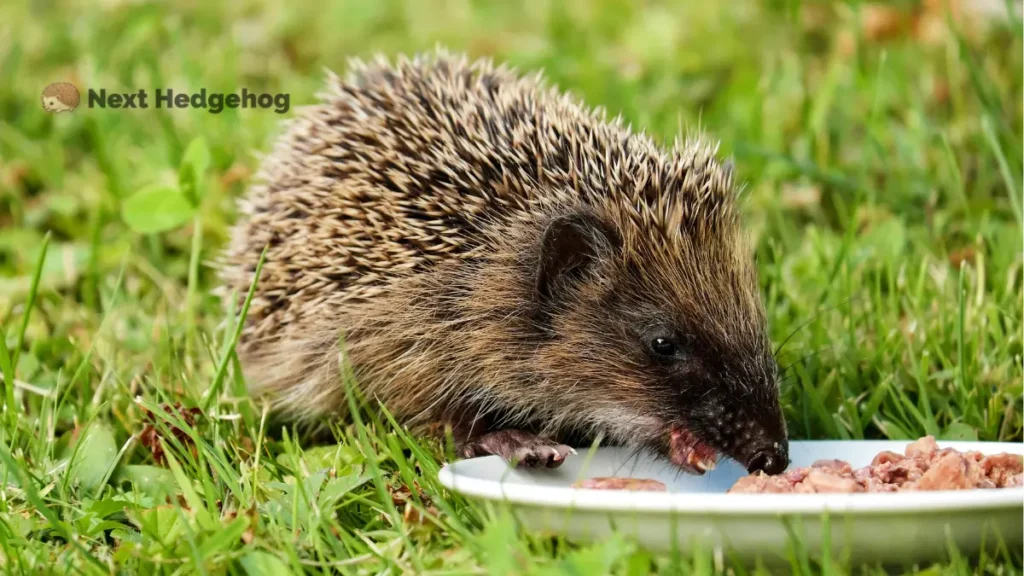
In the wild, hedgehogs mainly hunt at night. They search through soil, leaves, and grass for insects and small invertebrates. This includes crickets, worms, beetles, and other soft-bodied bugs.
They may occasionally eat small amounts of plant matter, but it is not their main food source. Protein is always the priority.
For pet hedgehogs, this natural diet is replaced with a controlled version. Instead of hunting, they get protein from safe insects and high-quality hedgehog food. This helps match their natural nutrition in a safer, more consistent way.
Why a Hedgehog’s Diet Needs Careful Attention?
Feeding a hedgehog may look simple on the surface, but in reality, it is one of the most important responsibilities for any owner. Their diet directly affects their energy, behavior, weight, and long-term health, so even small mistakes can create serious problems over time.
Unlike many common pets, hedgehogs have a very sensitive digestive system and are not built to handle a wide variety of human foods. Because of this, foods that seem harmless or even healthy to us can cause stomach upset, diarrhea, or a complete loss of appetite in hedgehogs.
Sensitive Digestive System
Hedgehogs have a delicate stomach that reacts quickly to new or unsuitable foods. Sudden diet changes or unsafe ingredients can easily disturb their digestion and lead to discomfort, bloating, or irregular bowel movements, which is why consistency in feeding is extremely important.
High Protein Requirement
A hedgehog’s body is designed to thrive on protein-rich foods, especially insects and animal-based nutrition. If their diet lacks enough protein, they can become weak, lose muscle condition, and develop long-term health issues that affect their activity and growth.
Hidden Sugar and Fat Risks
Many foods like fruits, processed snacks, or human leftovers contain hidden sugars and fats that are not suitable for hedgehogs. When consumed regularly, these can slowly lead to obesity, fatty liver disease, and reduced lifespan, even if the food seems “safe” at first.
Toxic Food Danger
Some foods are not just unhealthy but genuinely dangerous for hedgehogs, even in very small amounts. Items like chocolate, grapes, dairy, or heavily processed human foods can cause serious toxicity or internal damage, which is why careful food selection is essential.
Balance Is More Important Than Variety
Hedgehog diets are not meant to be highly varied like human diets. Instead, they depend on a stable balance of safe proteins, insects, and limited treats. Overfeeding treats or frequently introducing new foods can easily disrupt this balance and affect their health.
Diet Shapes Long-Term Health
A proper diet helps hedgehogs stay active, maintain a healthy weight, and live longer, healthier lives. On the other hand, poor feeding choices can slowly build up health problems that are difficult to reverse, making diet one of the most important parts of hedgehog care.
Safe Foods Hedgehogs Can Eat
Now that you know what hedgehogs should avoid, let’s focus on the foods that are actually safe and healthy for them. A proper hedgehog diet is not about giving everything they like, but about choosing the right foods that support their natural nutritional needs.
Safe foods for hedgehogs are mostly high in protein, with small portions of fruits and vegetables added for variety. These foods help maintain their energy, support digestion, and keep them active and healthy.
Below is a clear breakdown of foods that are generally safe for hedgehogs when fed in the right portions and balance.
Insects
- Crickets – A high-protein, low-fat insect that supports natural diet balance and is easy for hedgehogs to digest.
- Mealworms – A popular protein-rich treat that provides energy but should be fed in moderation due to higher fat content.
- Superworms – A larger insect protein source that is safe occasionally but should not be overfed due to fat levels.
- Dubia roaches – Highly nutritious and well-balanced insects that closely match a hedgehog’s natural feeding habits.
- Grasshoppers – Lean insect protein that offers good nutrition when sourced safely and fed in controlled amounts.
- Hornworms – Soft-bodied, hydrating insects that are easy to digest and ideal as an occasional treat.
- Earthworms – Protein-rich and natural prey that supports a healthy insectivore diet when pesticide-free.
Protein
- Chicken (plain, cooked) – A lean, high-protein food that supports muscle health and should always be served unseasoned.
- Beef (plain, cooked, small amount) – Provides protein and iron but should be given in very small portions due to higher fat content.
- Salmon (plain, cooked) – Rich in omega-3 fatty acids, supporting skin and coat health when served without spices or oil.
- Tuna (plain, cooked, occasional) – A protein-rich fish that can be offered rarely due to its higher fat and mercury content.
- Eggs (boiled or cooked) – Highly nutritious and protein-dense, making them a safe and healthy occasional food option.
Vegetables
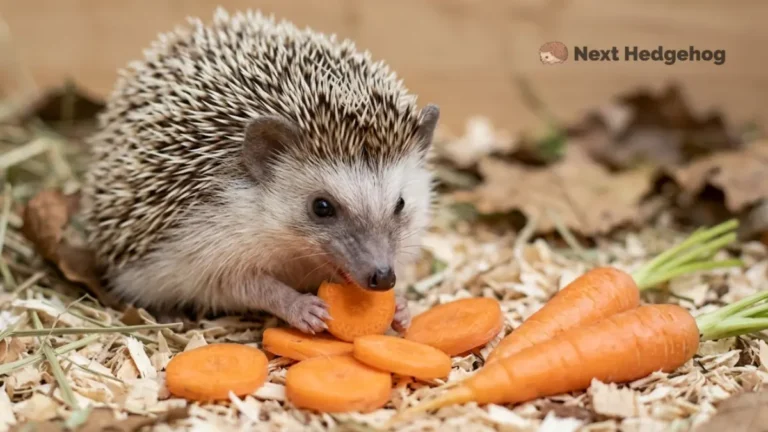
- Carrots – Safe in small amounts, providing fiber and vitamins but should be limited due to natural sugar content.
- Zucchini – Light, easy-to-digest vegetable that can be offered in small, fresh portions.
- Cucumber – High in water content, helping with hydration and safe as an occasional light snack.
- Celery – Low-calorie vegetable that can aid hydration but may cause mild digestive sensitivity if overfed.
- Cabbage – Safe in very small portions, but overfeeding can cause gas and bloating in hedgehogs.
- Broccoli – Nutrient-rich vegetable that should be given sparingly to avoid digestive discomfort.
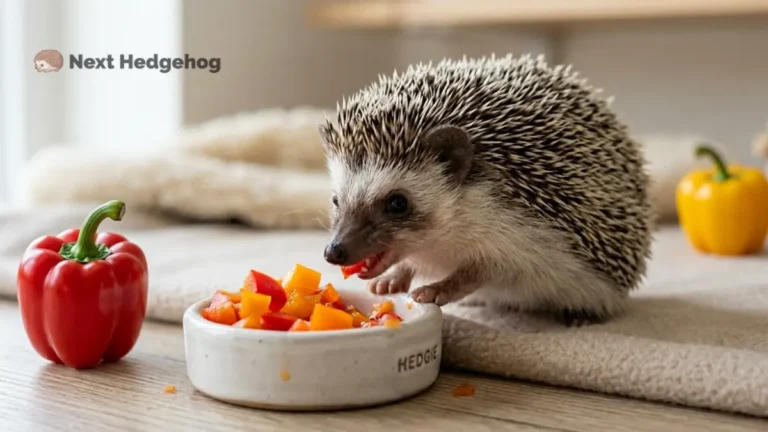
- Bell peppers – Safe and vitamin-rich, offering antioxidants when served in small, fresh pieces.
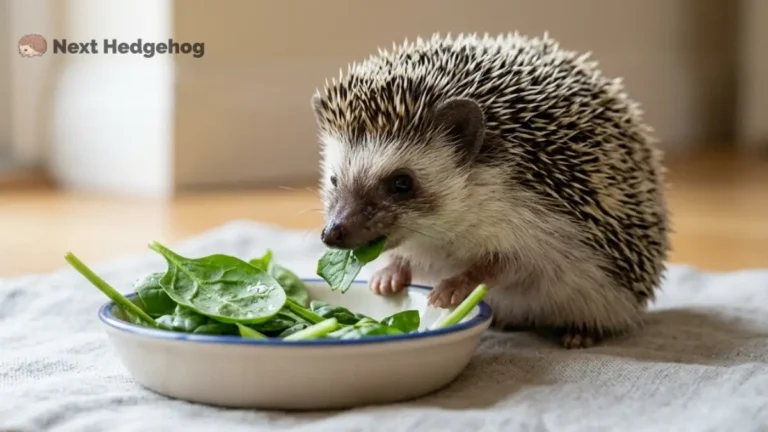
- Spinach – Contains nutrients but should be limited due to oxalates that may affect calcium absorption.
- Lettuce – Mostly water content, safe in small amounts but offers very low nutritional value.
- Asparagus – Safe occasionally, providing fiber but may cause mild digestive changes if overfed.
- Corn (small amounts) – Safe in moderation but high in carbs, so it should not be a regular food.
- Pumpkin – Good for digestion and gut health when served plain and in small portions.
- Tomatoes (small amounts) – Safe only in moderation, as acidity can cause stomach irritation if overfed.
Fruits
- Apples – Safe in small pieces (without seeds), providing fiber and vitamins but should be limited due to sugar content.
- Bananas – Soft and easy to eat, but high in sugar so only occasional tiny portions are recommended.
- Blueberries – Antioxidant-rich fruit that is safe in moderation and works well as a small treat.
- Blackberries – Nutritious and fiber-rich fruit that can be offered occasionally in small amounts.
- Strawberries – Safe and hydrating fruit with vitamins, but should be fed in moderation due to natural sugars.
- Raspberries – Low-calorie berry that is generally safe and good as an occasional treat.
- Mango – Soft fruit that is safe in small amounts but high in sugar, so it should be limited.
- Kiwi – Contains vitamins and fiber but should be offered sparingly due to acidity.
- Watermelon – Hydrating fruit that is safe in small portions but should be given without seeds.
- Pineapple – Highly acidic fruit that can be offered rarely and in very small amounts.
- Cherries – Only safe without pits; pits are toxic and must always be removed completely.
- Cranberries – Tart fruit that is safe in moderation but may be too acidic for frequent feeding.
Other Safe Natural Items
- Cilantro – Safe in very small amounts and can add mild variety, but should not be a regular part of the diet.
- Grass (small nibbling only) – Generally safe if clean and pesticide-free, but offers little nutrition and should only be occasional.
Protein Sources for Hedgehogs
Protein plays the most important role in a hedgehog’s diet because it directly supports their growth, energy levels, muscle strength, and overall health. Since hedgehogs are natural insect-eaters, their bodies are specially designed to digest animal-based protein more efficiently than fruits, vegetables, or processed foods.
Without enough protein in their daily meals, hedgehogs can become weak, inactive, and more prone to health issues over time. That is why every responsible owner must understand where this essential nutrient should come from and how to include it safely in their diet.
Insect-Based Protein Sources
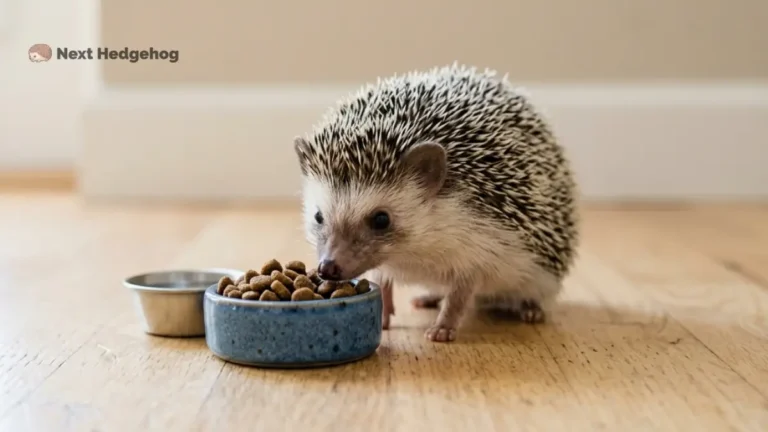
The most natural and important protein source for hedgehogs comes from insects, as this closely matches what they eat in the wild. In captivity, safe feeder insects such as crickets, mealworms, superworms, dubia roaches, hornworms, grasshoppers, and earthworms provide the right balance of nutrition while also being easy to digest. These should form the main part of their protein intake.
Animal-Based Protein (Cooked & Plain)
Another important source of protein comes from small amounts of plain, cooked animal meat. This includes lean options such as chicken, turkey, beef, salmon, and tuna. These foods should always be unseasoned, fully cooked, and served in moderation to avoid digestive stress or excessive fat intake.
Egg-Based Protein Options
Eggs can also be used as an occasional protein boost for hedgehogs. They provide high-quality nutrition when prepared simply, such as boiled or plain scrambled without oil, salt, or spices. While not a daily food, they can be helpful as a supplement in a balanced diet.
Occasional Treats for Hedgehogs
Treats can be a fun part of a hedgehog’s diet, but they should always be given carefully and in very small amounts. Hedgehogs have sensitive digestive systems, so even foods that are generally safe can become harmful if offered too often.
Treats are not meant to replace their main diet but to add small variety and enrichment on rare occasions.
Fruits (Small, Rare Portions)
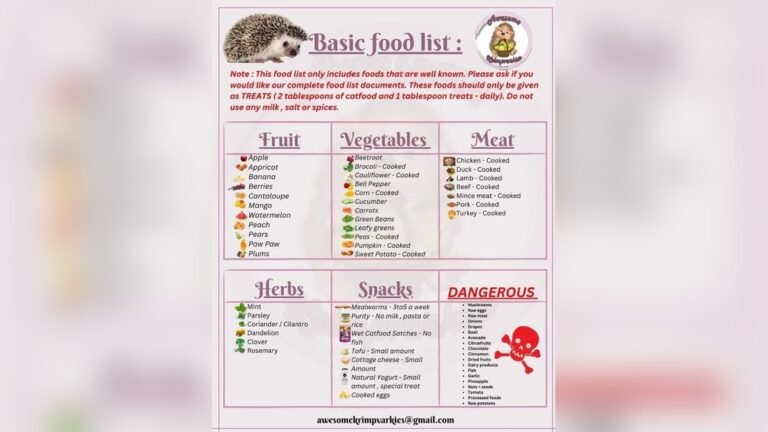
Some soft fruits can be given occasionally as a sweet treat, but only in tiny amounts due to their natural sugar content. Examples include apples, bananas, berries, mango, kiwi, watermelon, pineapple, cherries, cranberries, raspberries, and strawberries. These should always be fresh, plain, and properly washed before feeding.
Vegetables (Light Snack Options)
Certain vegetables can also be offered as occasional treats in small portions. Safe choices include carrots, cucumber, zucchini, pumpkin, corn, broccoli, celery, cabbage, bell peppers, spinach, lettuce, asparagus, and tomatoes. These are best served raw or lightly cooked without any seasoning.
Extra Protein Treats
In addition to their regular diet, hedgehogs can sometimes enjoy extra protein-based treats in moderation. This includes small amounts of feeder insects or a little plain cooked meat or egg. These help provide enrichment while still supporting their natural dietary needs.
Feeding Schedule & Portion Guide
Feeding a hedgehog is not just about choosing the right foods, but also about knowing when and how much to feed. A proper feeding schedule helps maintain a healthy weight, supports digestion, and keeps your hedgehog active and balanced throughout the day.
Since hedgehogs are nocturnal, their eating routine should match their natural nighttime behavior.
Daily Feeding Timing
Hedgehogs are most active at night, so the best time to feed them is in the evening when they wake up. Food should be offered once daily, usually after sunset, so they can eat naturally during their active hours. Fresh water should always be available throughout the day and night.
| Time | Activity | Food Type | Example Foods | Notes |
|---|---|---|---|---|
| Morning | Rest / Sleep | No feeding | — | Hedgehogs sleep during the day |
| Afternoon | Sleep / Rest | No feeding | — | Keep environment quiet |
| Evening (Sunset) | Wake up & Active Start | Main Meal (Protein) | Insects, small cooked meat, egg | This is the most important meal |
| Night (Peak Activity) | Optional Small Feeding / Treat | Light snack | Safe insects, small fruit portion | Only if needed, not required daily |
| Late Night | Wind down activity | Water only | Fresh water | Ensure water bowl is clean and full |
| Anytime | Hydration | Water | Fresh clean water | Must be available 24/7 |
Portion Size Guidelines
Portion control is very important because hedgehogs can easily overeat if given too much food. A small, controlled portion of high-quality protein-based food is usually enough for one night. The goal is to provide enough nutrition without encouraging obesity or waste.
Balanced Meal Structure
A healthy hedgehog meal should mainly focus on protein, supported by small amounts of safe insects or cooked animal-based foods. Fruits and vegetables should only be used as occasional additions, not as the main part of the meal. This balance helps prevent digestive issues and keeps their diet close to what they naturally need.
Overfeeding Risks
Overfeeding is one of the most common mistakes in hedgehog care. Giving too much food or too many treats can quickly lead to weight gain, reduced activity, and long-term health problems. Keeping portions consistent and avoiding unnecessary extras is key to maintaining a healthy lifestyle.
Adjusting Based on Activity
Every hedgehog is slightly different, so feeding amounts may need small adjustments based on age, size, and activity level. Active hedgehogs may need slightly more food, while less active ones should have carefully controlled portions to avoid excess weight gain.
Common Feeding Mistakes Hedgehog Owners Make
Feeding a hedgehog may seem simple, but many owners unknowingly make mistakes that can affect their pet’s health over time. Because hedgehogs have sensitive digestive systems and very specific nutritional needs, even small errors in diet can lead to weight gain, illness, or long-term health problems.
Understanding these common mistakes can help you avoid them and keep your hedgehog healthy and active.
- Feeding Unsafe Human Foods: Many owners share human snacks without realizing the risk. Foods like chocolate, dairy products, bread, or processed junk food can be harmful or even toxic to hedgehogs and should always be avoided completely.
- Overfeeding Fruits and Sugary Foods: Fruits may look healthy, but they contain natural sugars that hedgehogs cannot handle in large amounts. Feeding too many fruits or sugary treats can lead to obesity and digestive issues over time.
- Ignoring Protein Requirements: Some owners focus too much on variety and forget that hedgehogs need a protein-rich diet. A lack of insects or proper animal-based protein can cause weakness and poor overall health.
- Relying on Wrong Pet Foods: Feeding food meant for other pets, such as cat food, dog food, or guinea pig food, is a common mistake. These foods are not designed for hedgehogs and often lack the right balance of nutrients.
- Using Seasoned or Cooked Human Meals: Hedgehogs should never be fed seasoned, salted, or spiced foods. Even small amounts of cooking ingredients like oil, salt, or spices can upset their stomach and cause serious health issues.
- Overfeeding or Irregular Feeding: Feeding too much food or not maintaining a consistent schedule can quickly lead to weight gain or digestive imbalance. Hedgehogs need controlled portions and a regular nighttime feeding routine.
- Not Focusing on Natural Diet Balance: Some owners try to add too much variety instead of focusing on a simple, balanced diet. Hedgehogs do best with consistent protein sources and only occasional treats, not constantly changing meals.
Foods Hedgehogs SHOULD NOT Eat
Not all foods are safe for hedgehogs, and some can cause serious health problems even in small amounts. Because hedgehogs have a sensitive digestive system and very specific nutritional needs, certain human foods, pet foods, and natural items can be harmful or even toxic.
Knowing what to avoid is just as important as knowing what to feed, as it helps prevent illness, obesity, and long-term health damage.
Below is a clear breakdown of foods that should never be included in a hedgehog’s diet.
- Chocolate
- Grapes
- Avocado
- Oranges
- Cheese
- Milk
- Bread
- Cereal
- Crackers
- Biscuits
- Baby food
- Applesauce (processed/sugary types)
- Chili dogs
- Sausage Bacon
- Almonds
- Peanuts
- Seeds
- Nuts (general)
- Acorns and few others.